
Uncategorized
What Are Better Ways for Hospitals to Buy Medical Equipment?

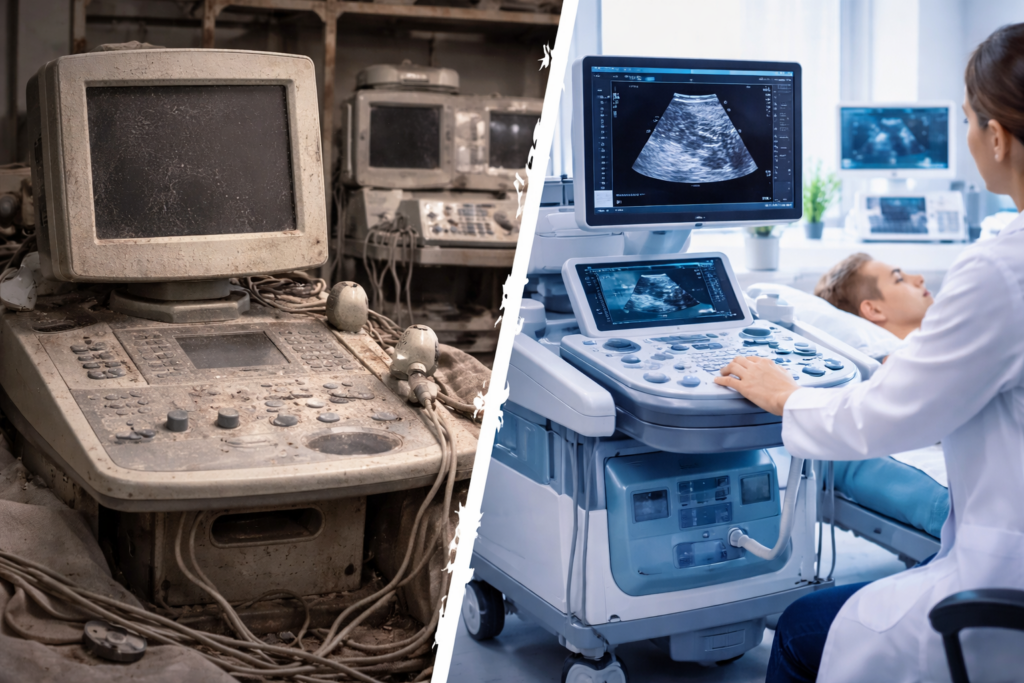
Buying medical equipment shouldn’t feel like gambling. Yet for many hospitals, that’s exactly what it feels like. Let’s change that, together. Picture this for a moment. You’re a hospital administrator. Your facility desperately needs new equipment. The old ventilators are unreliable. The imaging system keeps breaking down. Patients are waiting longer. Staff members are frustrated. And the pressure to “just buy something” keeps mounting every single day. So you rush into a purchase. You pick the cheapest option. The supplier seems okay. The equipment arrives. And for a few weeks, everything feels great. Then reality hits.
The equipment starts malfunctioning. The supplier vanishes. Spare parts? Nowhere to be found. Training? Never happened. And now you’re stuck with expensive machines that don’t work, and patients who deserve better. Sound familiar? If it does, you’re not alone. This story plays out in hospitals across Nigeria and around the world every single day. And honestly? It breaks my heart.
But here’s the good news. There are better ways for hospitals to buy medical equipment. Smarter ways. Ways that protect your budget, your patients, and your sanity. And that’s exactly what we’re going to explore in this guide. So whether you’re running a teaching hospital in Lagos, a private clinic in Accra, or a healthcare facility anywhere in the world, this one’s for you.
Why the Old Way of Buying Medical Equipment Is Failing Hospitals
For many hospitals, equipment purchasing still looks like this:
- A department raises a request
- Procurement sends out a few quote requests
- Vendors compete on price and shiny brochures
- The hospital chooses the cheapest (or flashiest) offer
- Everyone hopes for the best
On paper, it seems efficient. In reality, this approach often leads to:
- Devices that don’t fully match clinical needs
- High maintenance and repair costs
- Lack of training and poor user adoption
- Long periods of downtime and cancelled procedures
- Frustrated staff and unsafe workarounds
Healthcare is changing quickly. Technology is more complex. Budgets are tighter. Regulations are stricter.
The old way simply doesn’t protect you anymore. Hospitals need better ways to procure medical equipment that account for the entire lifecycle, not just the purchase price. If you already struggle with service issues, you might also find this helpful:
What Is Medical Equipment After-Service? A Complete Guide
Why the Way You Buy Medical Equipment Actually Matters
Before we dive into the strategies, let’s talk about why this matters so much.
Medical equipment isn’t like buying office furniture. We’re talking about machines that diagnose diseases. Devices that monitor heartbeats. Systems that guide surgeons during life-saving operations. The equipment you choose and the way you buy it directly impact whether your patients live or die.
That’s not an exaggeration. That’s reality.
Yet despite these high stakes, many hospitals still make purchasing decisions based on price alone. They skip needs assessments. They ignore after-service. And they end up paying far more in the long run, not just financially but also in patient trust and institutional reputation.
According to the World Health Organization, a significant percentage of medical equipment in developing countries is either broken, unused, or not functioning at full capacity. Much of this can be traced back to poor procurement decisions.
So yes, finding better ways for hospitals to buy medical equipment isn’t just about saving money. It’s about saving lives.
Let’s get into it.
10 Smarter Ways for Hospitals to Buy Medical Equipment
Here’s where things get practical. These are proven strategies that hospitals, big and small, can implement right away.
1. Always Start with a Proper Needs Assessment
I can’t stress this enough. Before you spend a single naira, dollar, or pound on equipment, sit down and figure out what you actually need.
It sounds obvious, right? But you’d be surprised how many hospitals skip this step. They see a flashy new device at a conference, get excited, and place an order, only to realize later that it doesn’t fit their patient volume, their specialties, or their facility layout.
A proper needs assessment involves:
- Evaluating your current equipment inventory
- Identifying gaps in your service delivery
- Consulting with clinical staff, doctors, nurses, lab technicians, the people who actually use the equipment
- Considering patient demographics and case volume
- Prioritizing urgent needs versus long-term upgrades
When you start with clarity, every purchasing decision that follows becomes easier and more effective. Want to see what equipment options are available for your facility? Browse HemacNG’s comprehensive product catalog to get started.
2. Think Beyond the Price Tag, Consider Total Cost of Ownership
Here’s a mistake I see over and over again. A hospital compares three quotes, picks the cheapest one, and celebrates the “savings.”
Six months later? They’ve spent more on repairs, spare parts, and downtime than they “saved” on the initial purchase.
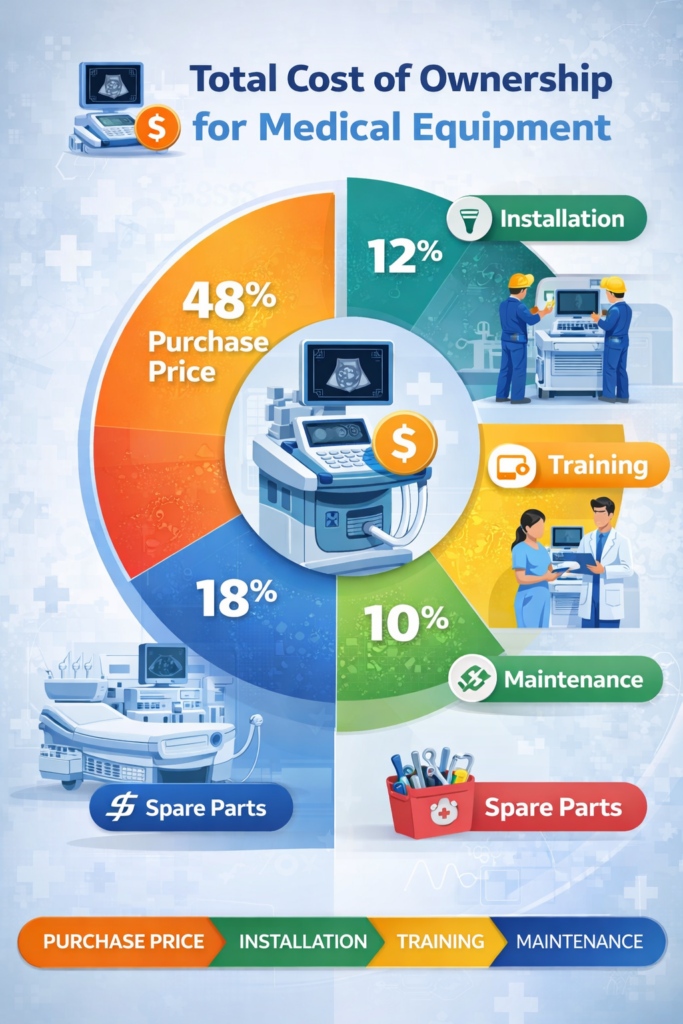
The purchase price is just one piece of the puzzle. When evaluating better ways for hospitals to buy medical equipment, you need to think about the total cost of ownership. That includes:
- Installation costs — Will the supplier set it up professionally?
- Training expenses — Will your staff know how to use it?
- Maintenance and servicing — What will ongoing upkeep cost?
- Consumables and spare parts — Are they available and affordable?
- Energy consumption — How much power does it draw?
- Expected lifespan — How many years of service will you get?
Sometimes, the equipment that costs more upfront actually saves you significantly over its lifetime. Smart procurement means looking at the whole picture.
Learn about HemacNG’s end-to-end service packages that help you manage total cost effectively.
3. Choose a Supplier You Can Actually Trust
Let me be real with you. Your equipment is only as good as the supplier behind it.
A trustworthy supplier doesn’t just sell you a machine and disappear. They partner with you. They show up when things go wrong.
So how do you identify a trustworthy supplier? Look for these qualities:
- Verified track record with hospitals and healthcare facilities
- OEM partnerships with recognized global manufacturers
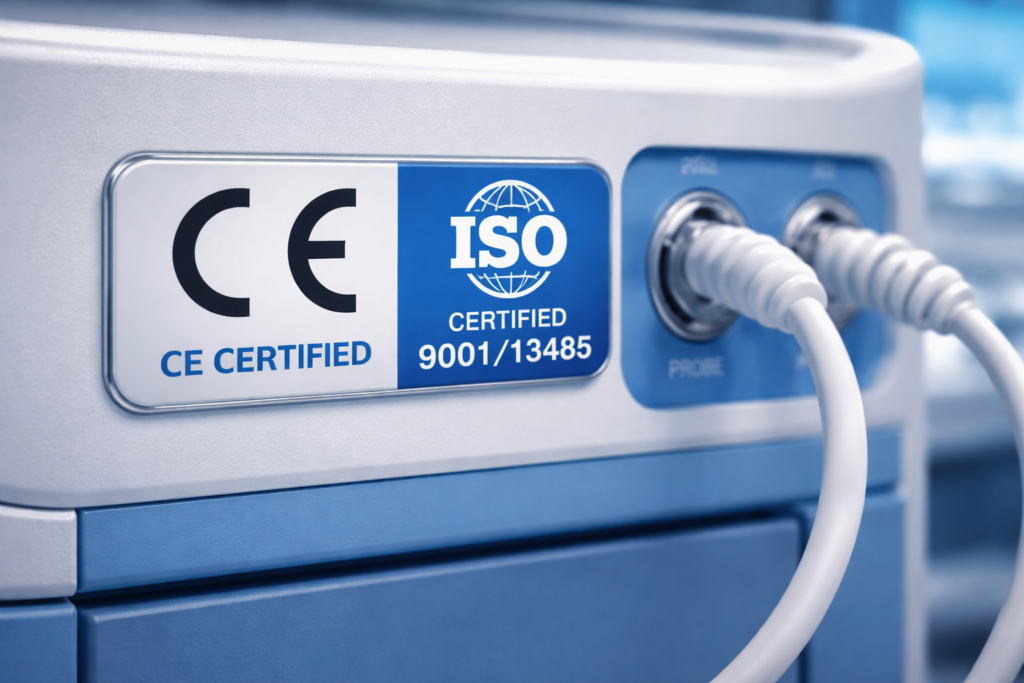
- Quality certifications — CE marking, FDA approval, ISO 13485
- Transparent pricing — no hidden fees, no surprises
- Strong after-sales support — installation, training, maintenance
- Delivery capability — can they deliver locally and internationally?
And watch out for red flags: suppliers with no physical address, suspiciously low prices, zero after-service, or poor communication. These are signs that you’ll be left stranded when you need help most. At HemacNG, we’ve built our reputation on trust, transparency, and genuine partnerships with healthcare facilities across Nigeria and beyond.
4. Never Compromise on Quality and Compliance
This one is non-negotiable.
Every piece of medical equipment in your facility should meet recognized international quality standards. This protects your patients, your staff, and your institution from regulatory and legal risks.
Before purchasing, always verify:
- CE marking for European conformity
- FDA approval for US-standard devices
- ISO certifications for quality management
- NAFDAC registration for equipment used in Nigeria
- SON compliance for Nigerian standards
Ask your supplier for certificates. If they can’t provide them, walk away. No exceptions.
Quality equipment doesn’t just deliver better clinical results — it also lasts longer, requires fewer repairs, and gives you genuine peace of mind.
5. Negotiate Complete Service Packages
Here’s a pro tip that many hospital procurement teams overlook.
Don’t just buy equipment. Buy a complete solution.
When negotiating with your supplier, push for packages that include:
- Professional installation and commissioning
- Comprehensive staff training
- Warranty coverage — the longer, the better
- Preventive maintenance schedule
- Access to genuine spare parts
- Technical support hotline
Bundled packages almost always deliver better value than buying each service separately. And they ensure that you’re covered from the moment the equipment arrives until years down the road.
This is something we’re passionate about at HemacNG. We don’t just hand over equipment and wave goodbye. Our service packages are designed to support your facility throughout the entire equipment lifecycle.
6. Explore Financing and Flexible Payment Options
Let’s be honest. Medical equipment is expensive. And not every hospital, especially smaller facilities and clinics, has the budget to make large upfront payments.
That’s okay. One of the better ways for hospitals to buy medical equipment is to explore financing options that spread the cost over time.
Consider these models:
- Equipment leasing — Use the equipment while making periodic payments
- Hire purchase — Pay in instalments and own the equipment at the end
- Vendor financing — Some suppliers offer direct payment plans
- Government health grants — Explore federal and state healthcare funding programs
- NGO partnerships — International health organizations sometimes fund equipment purchases
Financing preserves your cash flow, allows access to premium equipment, and makes strategic upgrades more achievable.
7. Work with a Supplier That Delivers Worldwide
Here’s something many people don’t realize about HemacNG.
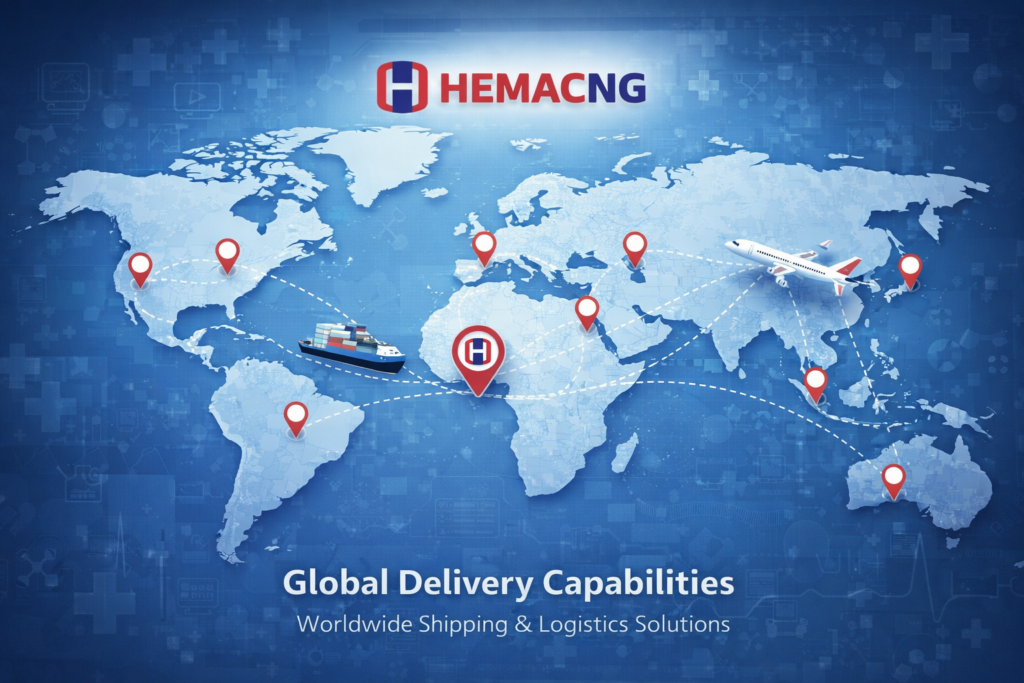
We deliver medical equipment to hospitals anywhere in the world.
Yes, you read that right. Whether your facility is in Lagos, Nairobi, London, Dubai, or New York, HemacNG can source, supply, and deliver quality medical equipment directly to your doorstep.
Why does this matter? Because in today’s connected world, your supplier shouldn’t be limited by geography. Working with a globally capable supplier gives you:
- Access to a wider range of equipment from international manufacturers
- Competitive pricing through global sourcing networks
- Reliable international shipping with tracking and customs support
- One trusted partner for all your procurement needs, regardless of location
So no matter where you are in the world, HemacNG is just a message away.
8. Leverage Bulk Purchasing for Better Deals
If your hospital is part of a network, or if you’re equipping a new facility from scratch, bulk purchasing can save you serious money.
When you order multiple items at once, you gain negotiating power. Suppliers are often willing to offer significant discounts on bulk orders, especially when it includes equipment across multiple categories.
You can also explore:
- Group purchasing organizations (GPOs) that negotiate on behalf of multiple facilities
- Consortium buying with partner hospitals
- Government tender processes that aggregate demand
At HemacNG, we offer competitive pricing for bulk and institutional orders. Contact us for a custom quote tailored to your facility’s needs.
9. Use Technology — Buy Online from Verified Platforms
Gone are the days when you had to physically visit showrooms or attend trade fairs to find medical equipment. Today, you can browse comprehensive catalogs, compare specifications, request quotes, and even place orders — all from your desk.
But here’s the caveat: only buy from verified, reputable online platforms.
Look for suppliers with:
- Professional, detailed product listings
- Clear specifications and documentation
- Responsive customer support
- Secure payment options
- Verifiable business credentials
HemacNG’s online platform makes it easy for hospitals worldwide to explore our product range, request information, and make informed purchasing decisions.
10. Build a Long-Term Partnership — Not Just a Transaction
And finally, perhaps the most important strategy of all.
The best equipment purchasing approach isn’t transactional. It’s relational.
When you build a long-term partnership with a trusted supplier, you get:
- Priority support when emergencies arise
- Better pricing as the relationship deepens
- Customized solutions designed around your facility’s unique needs
- Consistent quality you can count on
- A partner who genuinely cares about your success
At HemacNG, we don’t just sell equipment. We become your healthcare technology partner. We learn your facility, understand your challenges, and work with you to find solutions that truly make a difference.
Because at the end of the day, we’re in this for the same reason you are, to help patients receive the best possible care.

Common Mistakes Hospitals Make When Buying Equipment
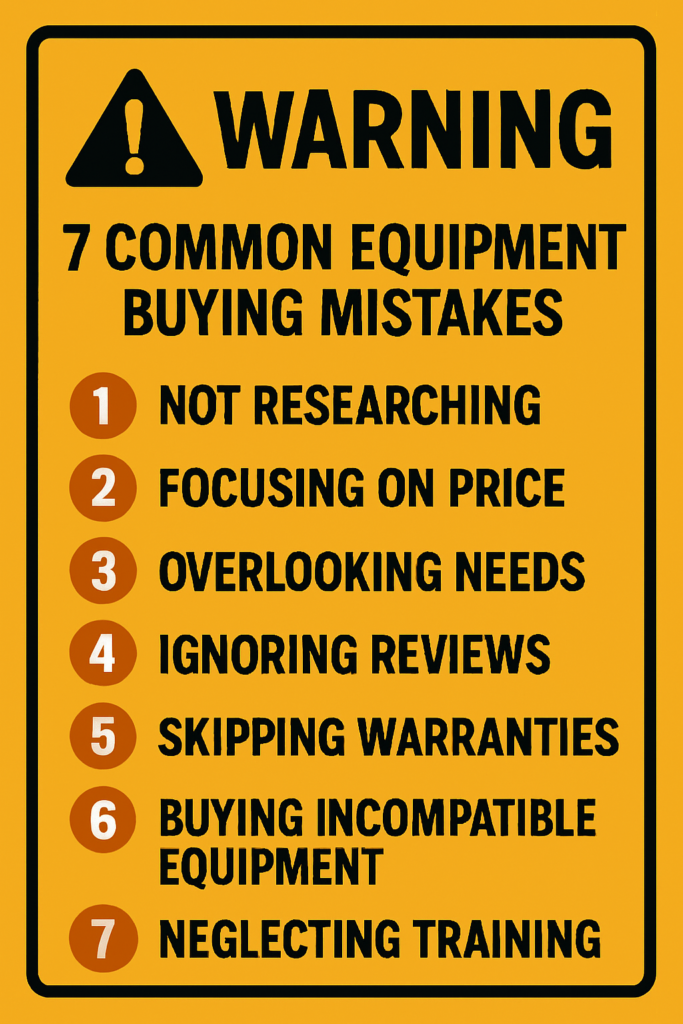
Now that we’ve covered the better approaches, let’s quickly flag some common pitfalls to avoid:
- Buying based on price alone. The cheapest option often becomes the most expensive in the long run.
- Skipping the needs assessment. This leads to purchasing the wrong equipment, or too much of it.
- Ignoring after-service. Equipment without ongoing support is a ticking time bomb. Read our detailed guide on medical equipment after-service.
- Not involving clinical staff. The people who use the equipment daily should have a voice in what gets purchased.
- Failing to verify supplier credentials. This opens the door to fraud, substandard products, and zero accountability.
- Neglecting staff training. Amazing equipment in untrained hands? That’s wasted potential.
- Not reading the fine print. Hidden costs, limited warranties, restrictive contract term, always read before you sign.
If you’ve made any of these mistakes before, don’t beat yourself up. The important thing is to learn from them and make better choices moving forward.
Why Hospitals Around the World Trust HemacNG
At this point, you might be wondering — “Can HemacNG really deliver on all of this?”
The short answer? Yes. And here’s why.
- Global Sourcing, Local Heart — We source from world-leading OEMs while maintaining deep roots in the Nigerian healthcare landscape. We understand both worlds.
- Delivery Anywhere — Lagos to London. Abuja to Abu Dhabi. Port Harcourt to Paris. We deliver medical equipment to hospitals in any country, anywhere in the world.
- Uncompromising Quality — Every product we supply meets international standards. CE. FDA. ISO. No shortcuts. No compromises.
- Complete Lifecycle Support — From consultation and procurement to installation, training, maintenance, and ongoing technical support.
- Honest, Transparent Pricing — What you see is what you get. No hidden fees. No nasty surprises.
- Comprehensive Product Range — Imaging systems, laboratory equipment, surgical instruments, patient monitors, hospital furniture, consumables — we’ve got it all.
- Relationships, Not Transactions — We’re not here for a quick sale. We’re here to be your long-term healthcare technology partner. Discover what HemacNG can do for your facility.
Your Hospital Equipment Procurement Checklist
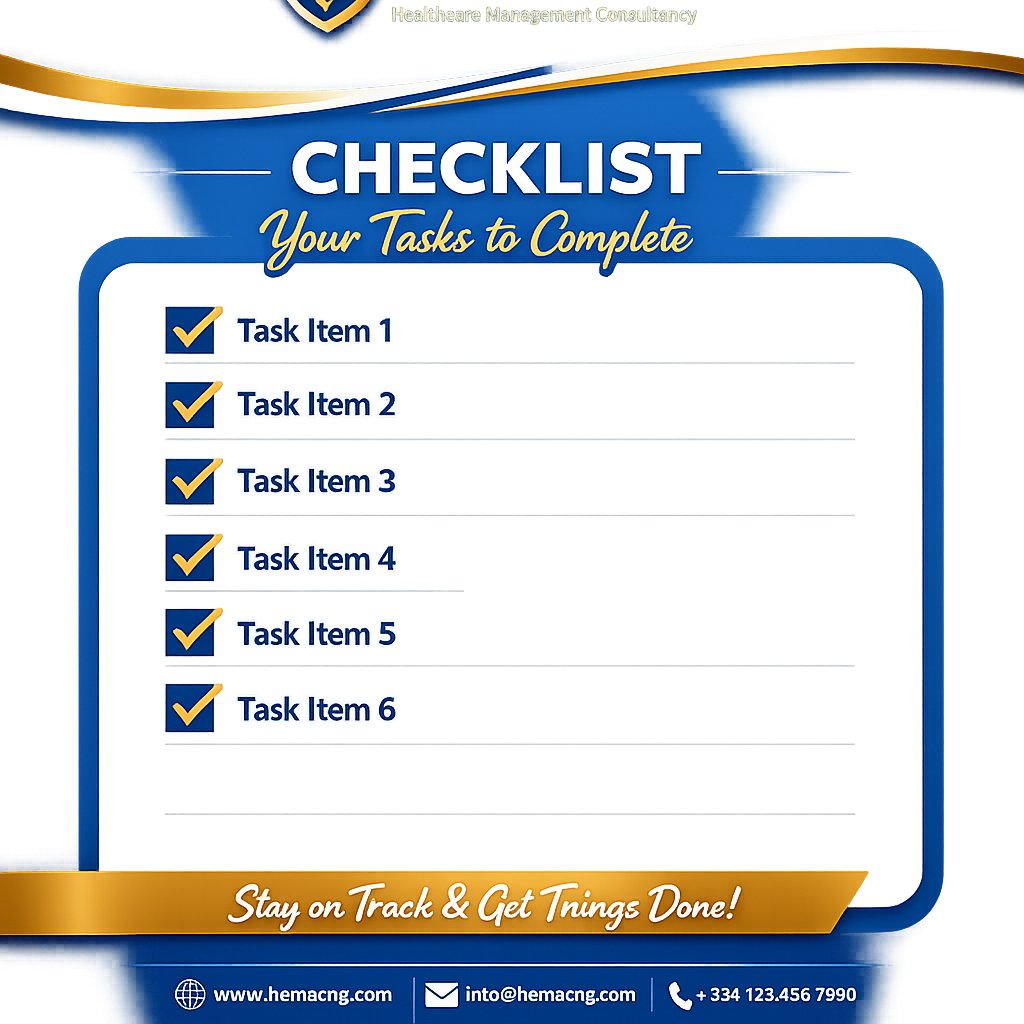
Before we wrap up, here’s a handy checklist you can use for your next equipment purchase:
- Conduct a thorough needs assessment with your clinical and technical teams
- Define a realistic budget that includes total cost of ownership
- Research and shortlist verified, reputable suppliers
- Request and compare detailed quotes — price, quality, service, delivery
- Verify regulatory compliance and quality certifications
- Negotiate comprehensive service packages — installation, training, maintenance
- Review all contract terms carefully before signing
- Plan logistics, delivery timeline, and site preparation
- Schedule staff training immediately after installation
- Establish a preventive maintenance schedule from day one
- Document everything for auditing and compliance
Keep this checklist somewhere accessible. Share it with your procurement team. It will make every future purchasing decision smoother and more strategic.
Frequently Asked Questions
What is the best way for hospitals to buy medical equipment?
The best approach combines a thorough needs assessment, realistic budgeting that accounts for total cost of ownership, choosing verified suppliers like HemacNG, prioritizing quality, and negotiating comprehensive service packages.
Where can hospitals buy quality medical equipment in Nigeria?
HemacNG is one of Nigeria’s most trusted medical equipment suppliers, offering a wide range of hospital equipment with nationwide delivery and full after-sales support.
Does HemacNG deliver medical equipment internationally?
Absolutely. HemacNG delivers medical equipment to hospitals in any country worldwide. Whether you’re in Africa, Europe, Asia, or the Americas — we’ve got you covered.
How can hospitals reduce the cost of medical equipment?
Hospitals can reduce costs through bulk purchasing, negotiating bundled service packages, exploring financing options, considering total cost of ownership, and partnering with reliable suppliers who offer competitive pricing.
What should hospitals look for in a medical equipment supplier?
Look for a proven track record, OEM partnerships, quality certifications, transparent pricing, strong after-sales support, and reliable local and international delivery capabilities.
Who should be involved in hospital equipment purchasing decisions?
Ideally:
- Clinical leaders and end users
- Biomedical / clinical engineers
- Procurement / supply chain experts
- Finance and management
- IT, if the devices will be networked
This mix ensures decisions are clinically appropriate, technically sound, and financially sustainable.
How can hospitals compare equipment offers beyond price?
Look at:
- Performance and safety features
- Service and after-service proposals
- Total cost of ownership over 5–10 years
- Training and support packages
- Supplier track record and references
Using a weighted evaluation grid can make comparisons transparent and fair.
How important is after-service when buying hospital equipment?
Critical. Without strong after-service:
- Downtime increases
- Maintenance costs are unpredictable
- Patient safety can be compromised
That’s why we strongly recommend reading:
What Is Medical Equipment After-Service? A Complete Guide
Can smaller hospitals or clinics still use structured procurement methods?
Yes. Even smaller facilities can:
- Define clear needs and specs
- Request multiple quotes or proposals
- Consider TCO, not just price
- Check supplier references and service capacity
You don’t need a huge team to use better ways for hospitals to buy medical equipment—just a clear process and the right guidance.
The Bottom Line, Your Patients Deserve Better Equipment Decisions
Let me leave you with this thought.
Every piece of medical equipment you purchase is more than just a machine. It’s a promise. A promise to the mother bringing her sick child to your emergency room. A promise to the elderly man relying on your laboratory for accurate test results.
Finding better ways for hospitals to buy medical equipment isn’t just smart business. It’s a moral imperative. And you don’t have to figure it out alone.
Whether you’re in Nigeria or anywhere else in the world, HemacNG is here to help. We supply quality medical equipment. We deliver it to your doorstep, We install it. And we stand by you with reliable after-service for years to come. Ready to make your next equipment purchase the smartest one yet? Contact HemacNG today. Let’s equip your hospital for the future, together.