
Uncategorized
Radiant warmer or incubator: Which Is Better for Newborn Care?
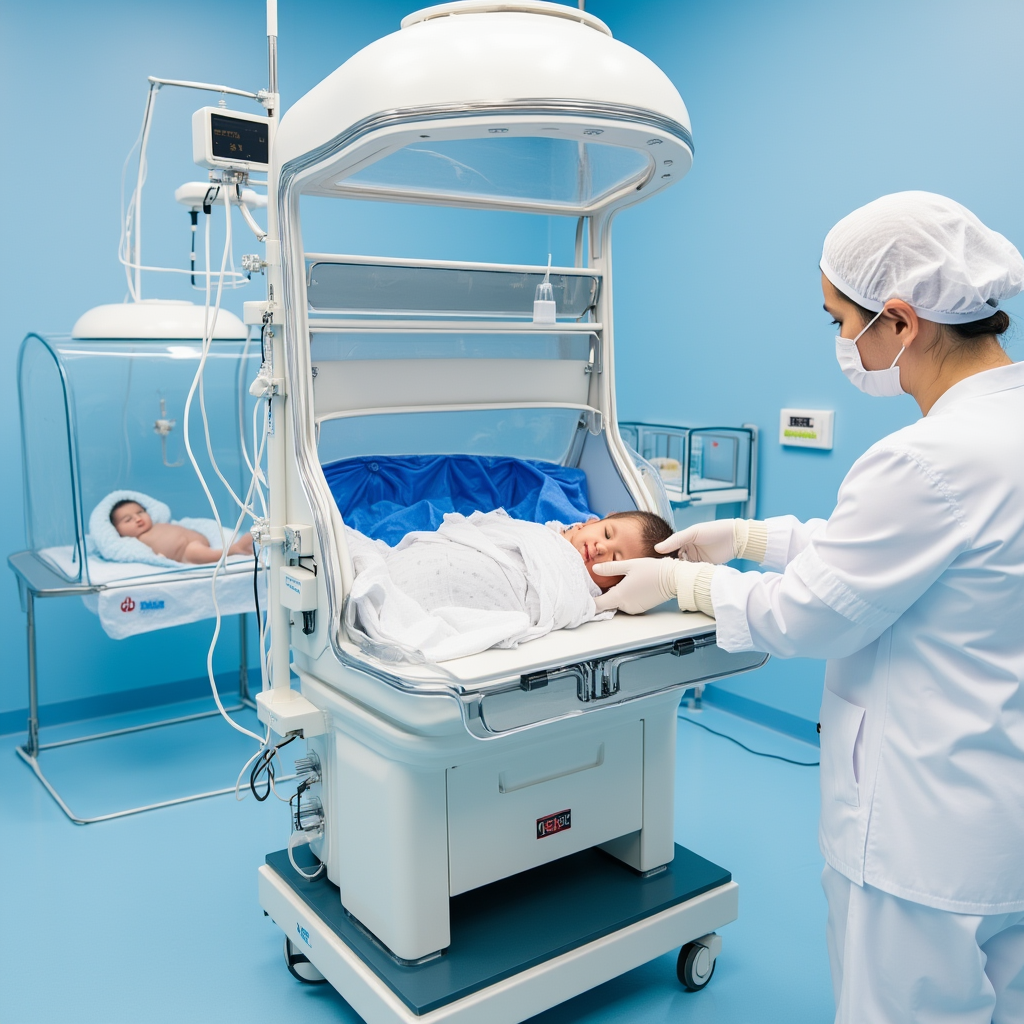
How to choose the right equipment when every second of a newborn’s life counts. The theatre was silent for a moment. A tiny, preterm baby had just been delivered by emergency C‑section. The anesthesiologist looked at the pediatrician and asked, “Radiant warmer or incubator?” It sounded like a simple question, yet behind it sat years of training, experience, and equipment planning.
That split second captures why a radiant warmer vs an incubator is not just a theoretical comparison. It is a real‑world decision teams make every day in delivery rooms and NICUs. If you manage a maternity ward, run a NICU, or are involved in buying neonatal equipment, you already know this tension.
You might be wondering:
- Is a radiant warmer enough for preterm babies?
- When is an incubator absolutely necessary?
- Does a small facility need both?
- How do radiant warmer vs incubator costs and power needs compare?
This guide will walk you through those questions step by step. We will unpack how each device works, when to use them, and how they complement each other in modern newborn care. Along the way, you will see that “which is better” depends heavily on when and why you are using it.
Why Temperature Control Matters So Much in Newborn Care
Before comparing radiant warmer vs incubator, it helps to remember why both exist in the first place.
Newborns, especially ones born early or with low birth weight, lose heat very quickly because:
- Their skin is thin and poorly insulated
- They have a large surface area compared with their weight
- They cannot shiver or regulate body temperature effectively
Even in warm climates, a baby left in a cool room or on a metal trolley can become hypothermic within minutes. Hypothermia is not just “feeling cold”; it can trigger:
- Low blood sugar
- Breathing problems
- Metabolic acidosis
- Higher risk of infection
- Increased mortality in preterm infants
The World Health Organization’s guidance on newborn thermal protection makes it clear: keeping babies warm is a core part of essential newborn care.
Radiant warmers and incubators are two of the most important tools we use to provide that warmth. However, they do it in very different ways, and that is where the radiant warmer vs incubator discussion begins.
What Is a Radiant Warmer and How Does It Work?
A radiant warmer is an open bed with an overhead heating unit designed to deliver controlled radiant heat directly to the baby’s body.
Main components:
- Overhead heater – usually infrared or quartz elements that radiate heat downward.
- Baby platform – a firm, flat mattress where the newborn lies.
- Control system – a panel that allows staff to select and monitor temperature modes.
- Sensors and alarms – often including a skin temperature probe, over‑temperature alarms, and technical error alerts.
Most infant radiant warmers offer two main modes:
- Manual or air mode – staff set a fixed heater output; the device maintains a target air temperature.
- Servo or skin mode – a skin probe attached to the baby feeds temperature readings to the controller; the warmer adjusts heat to keep the baby at a set skin temperature.
Because the bed is open, staff can reach the baby from all sides. That makes the radiant warmer ideal for:
- Immediate care after birth
- Neonatal resuscitation (bag‑and‑mask or T‑piece)
- Procedures like intubation, umbilical line placement, or chest drain insertion
- Short‑term stabilisation in the NICU
If your facility is still choosing between radiant warmer vs incubator for the delivery room, remember: resuscitation and rapid access almost always favour the radiant warmer.

What Is an Incubator and How Does It Work?
An incubator is a closed, transparent chamber that provides a controlled environment for fragile babies over a longer period.
Key components:
- Enclosed cabin – clear walls with portholes or doors for access
- Heating system – warms the air inside the chamber
- Humidity control (in many models) – maintains moisture levels to reduce water loss through the skin
- Mattress platform – where the baby lies, usually on a soft mattress
- Control interface – shows and adjusts temperature, and often humidity and oxygen settings
- Alarms and monitoring – for high/low temperature, humidity, and sometimes integrated vital signs
Incubators are especially valuable for:
- Very preterm infants
- Very low birth weight babies
- Newborns who need strict control over their environment
- Babies at high risk of infection who should not be exposed to open air too often
In the radiant warmer vs incubator conversation, incubators are the “long‑stay hotel” compared to the radiant warmer’s “emergency bay” role. They support ongoing growth and stability after the first crisis has passed.
Radiant Warmer vs Incubator: Key Differences at a Glance
To really understand radiant warmer vs incubator, it helps to see them side by side.
| Feature / Aspect | Radiant Warmer | Incubator |
|---|---|---|
| Design | Open bed with overhead heat | Closed chamber with controlled air environment |
| Staff access | Full 360‑degree access | Access through doors and portholes |
| Best use phase | Immediate and short‑term stabilisation | Longer‑term care (days to weeks) |
| Ideal for | Resuscitation, procedures, early post‑delivery care | Preterm, VLBW, and high‑risk babies needing isolation |
| Infection protection | Less, due to open design | More, due to enclosed environment |
| Humidity control | Generally not included | Often integrated, especially in advanced models |
| Risk of heat loss | Higher if baby is not well covered / managed | Lower, if used correctly |
| Monitoring & add‑ons | Often combined with resuscitation tools in some models | May include advanced monitoring and ventilation |
So, is one “better”? Not exactly. When you compare radiant warmer vs incubator, what you really see are two devices built for different moments in a baby’s journey:
- Radiant warmer – best when staff must act fast and touch the baby frequently.
- Incubator – best when the baby needs a protected, stable environment over time.
When Is a Radiant Warmer the Better Choice?
In many delivery rooms, the radiant warmer is the first stop for a newborn, especially in emergencies.
You typically choose a radiant warmer when:
- A baby is born in distress and needs resuscitation
- Staff must access the airway, chest, and umbilical cord quickly
- Procedures like intubation, central line placement, or chest drain insertion are necessary
- The baby is term or near‑term and mainly needs short‑term thermal support and observation
- Space and budgets are limited, and at least one open heating device is required in every delivery area
Advantages of the radiant warmer:
- Unrestricted access for hands‑on interventions
- Excellent visibility for continuous observation
- Simpler to position near the operating table or labour bed
- Often designed as integrated resuscitation stations with oxygen, suction, and timers
Limitations:
- Without proper wrapping, hats, and blankets, babies can lose heat through convection and evaporation
- Less isolation from noise and infection risks
- Long‑term use is not ideal for very small babies who need humidity and minimal handling
When you ask “radiant warmer vs incubator for the delivery room?”, the answer is almost always the warmer. It is built for that immediate, high‑access, high‑urgency environment.

When Is an Incubator the Better Choice?
Once the crisis phase has passed, or if the baby is extremely small, the incubator often takes over.
You typically prioritize an incubator when:
- The infant is significantly preterm (for example, under 32–34 weeks)
- Birth weight is very low
- The baby needs a consistently warm, humid environment to reduce water and heat loss
- Infection risk is high, or the baby should not be handled frequently
- Long‑term NICU care is expected, possibly for weeks
Advantages of the incubator:
- Stable, controlled temperature over extended periods
- Often includes humidity control, which is vital for very immature skin
- Better environmental protection from dust, noise, and germs
- Less handling, which can be beneficial for fragile infants
Limitations:
- Reduced access during emergencies or complex procedures
- More complex to clean and maintain
- Higher cost and greater power consumption compared with many radiant warmers
So in the radiant warmer vs incubator decision, the incubator becomes indispensable for ongoing care of very premature and clinically unstable babies, especially in a dedicated NICU setting.
How Radiant Warmers and Incubators Work Together in Newborn Care
The reality in most modern neonatal units is that the choice is not purely radiant warmer vs incubator.
A typical path might look like this:
- Birth in theatre or labour room
- Baby is taken straight to a radiant warmer
- Drying, stimulation, and resuscitation (if needed) happen there
- Stabilisation phase
- Vital signs are checked
- Lines or tubes may be inserted
- Temperature is monitored and maintained
- Ongoing care decision
- If the baby is term or mildly preterm and stable, they may transition to a cot or remain under the warmer briefly.
In other words, it is often radiant warmer then incubator, not radiant warmer vs incubator as a permanent either–or choice. The warmer handles the urgent, hands‑on start; the incubator supports the longer healing journey.
Safety Considerations for Both Devices
Regardless of which device you use, safety depends on training, protocols, and consistent practice.
For radiant warmers:
- Avoid setting very high manual temperatures for prolonged periods.
- Keep the baby’s head covered and body partially wrapped to prevent evaporative and convective heat loss.
- Shield the baby’s eyes appropriately if the unit includes phototherapy.
For incubators:
- Clean and disinfect surfaces according to strict schedules.
- Replace or sterilise water in humidity chambers as recommended.
- Monitor temperature and humidity closely to avoid overheating or dehydration.
- Use appropriate infection‑control measures when accessing ports or opening doors.
Professional bodies like the American Academy of Pediatrics and WHO publish guidelines on neonatal intensive care practices that complement decisions around radiant warmer vs incubator use.
Cost, Power, and Space: Practical Factors in the Radiant Warmer vs Incubator Decision
Beyond clinical considerations, hospital leaders also have to weigh logistics.
Cost:
- Radiant warmers are generally less expensive than advanced incubators.
- Incubators with humidity control, integrated monitors, and ventilation support can be significantly costlier.
- Maintenance and spare parts costs differ between brands and models.
Power:
- Both devices require reliable electricity.
- Incubators, especially those with humidity and complex control systems, may consume more power overall.
- Backup power (generators, inverters, UPS units) must be sized with these loads in mind.
Space:
- Radiant warmers need open space around the bed, but their footprint is often slimmer.
- Incubators take up more room and require extra clearance to open doors and access the baby.
When evaluating radiant warmer vs incubator for a specific facility, mapping your power circuits and room layouts is just as important as reading brochures.
If you are planning purchases for a Nigerian facility, you might, for example, consult a specialist supplier such as HemacNG to balance equipment needs with real‑world power and space constraints.
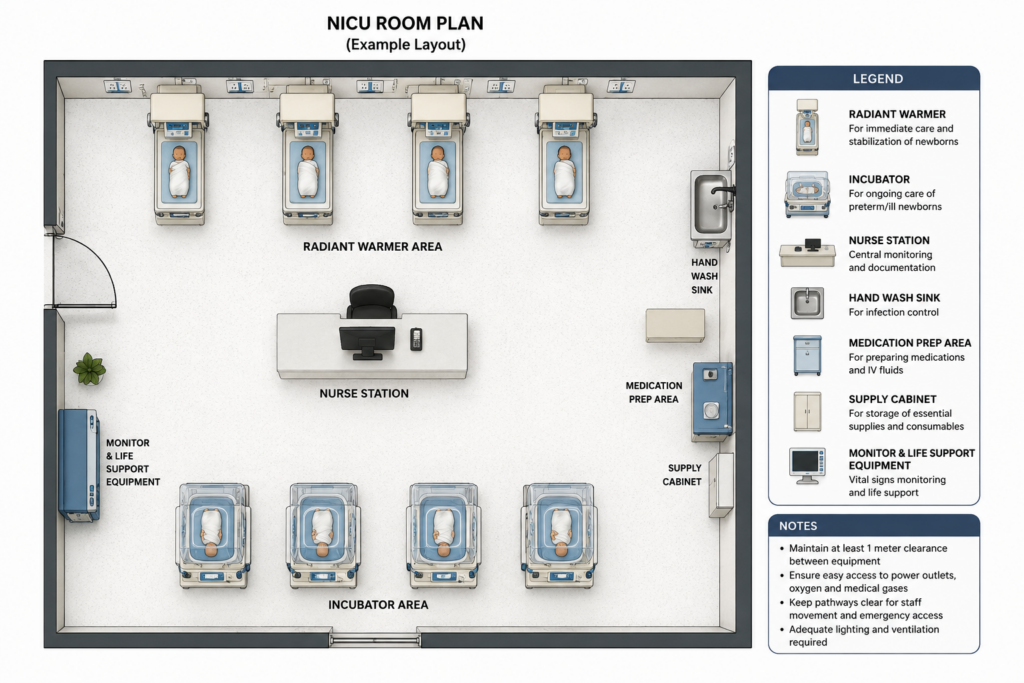
How to Decide What’s Best for Your Facility
Ultimately, the “right mix” of radiant warmers and incubators depends on your context.
Ask yourself:
- How many births do we handle each month?
- What percentage are high‑risk or preterm deliveries?
- Do we have a functioning NICU, or only basic newborn care?
- How long do preterm or sick babies typically stay in our unit?
- How stable is our power supply?
- What is our realistic budget, not just for purchase but for ongoing maintenance?
- At minimum, one good radiant warmer in the delivery area is essential.
- If possible, one incubator for occasional preterm or compromised babies can be very helpful, but many such facilities stabilise and refer instead.
- Advanced incubators with humidity control and sophisticated monitoring are often appropriate.
If you are unsure, engaging a neonatal equipment consultant or experienced supplier can help you understand the best radiant warmer vs incubator balance for your specific case mix and infrastructure.

Frequently Asked Questions About Radiant Warmers and Incubators
Is a radiant warmer safer than an incubator for all newborns?
Not exactly. A radiant warmer is safer for immediate resuscitation and early stabilisation because it allows full access. An incubator is safer for long‑term care of very small or fragile babies because it reduces heat loss and infection exposure. The right choice depends on the clinical situation.
Which is better for preterm babies: radiant warmer vs incubator?
For extremely preterm or very low birth weight infants, an incubator is usually better for ongoing care due to controlled temperature and humidity. However, many preterm babies still start life under a radiant warmer for resuscitation before moving into an incubator.
Can a radiant warmer replace an incubator in a small hospital?
A radiant warmer cannot fully replace an incubator for prolonged care of very preterm babies. In some small facilities, though, a good radiant warmer may be the first piece of neonatal equipment purchased because it is vital for all deliveries and emergencies. Some cases may still need referral to a centre with incubators.
Are both radiant warmers and incubators necessary in a modern NICU?
Yes. In most NICUs, both devices are essential and complement each other. The radiant warmer is the frontline resuscitation and procedure platform, while the incubator is the longer‑term “home” for fragile newborns.
Which uses more electricity: radiant warmer vs incubator?
Usage patterns differ. Radiant warmers often run at higher power levels for shorter periods, especially around deliveries. Incubators run continuously at moderate power, sometimes with humidity systems. Total consumption depends on how many of each device you have and how heavily they are used.
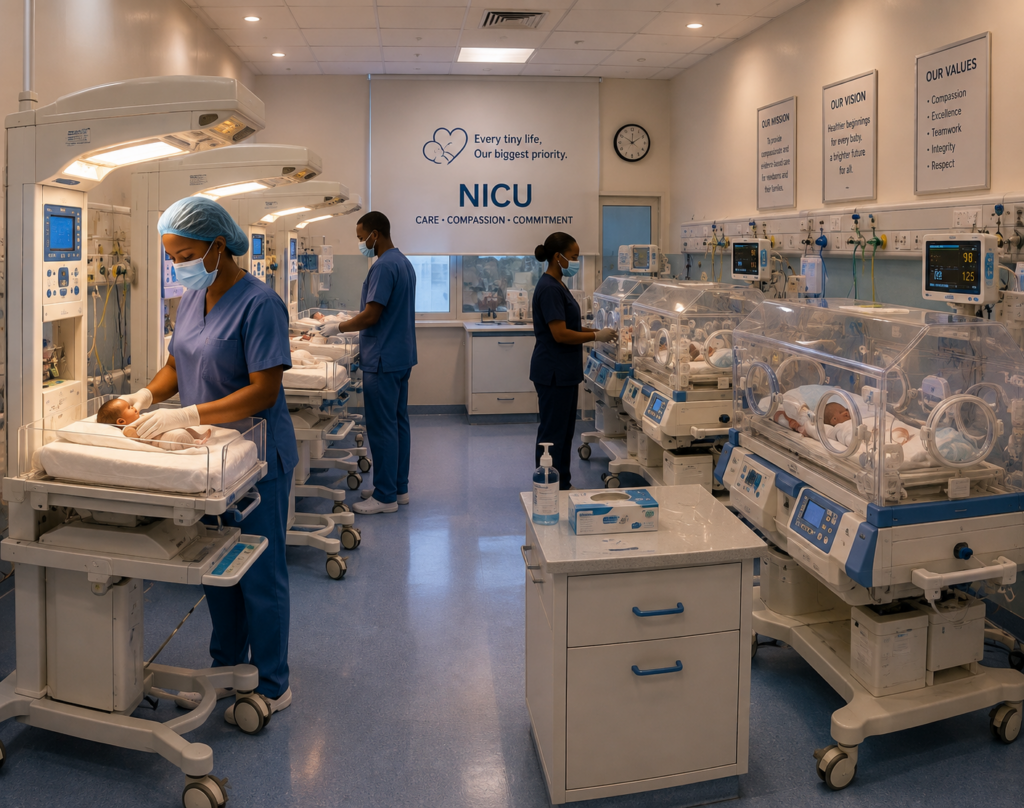
Final Thoughts: It’s Not Radiant Warmer vs Incubator, It’s Warmth Plus Protection
When people first hear the phrase radiant warmer vs incubator, they often imagine a competition. In reality, the safest and most effective newborn units use both.
Think of it this way:
- The radiant warmer is your emergency table and procedure station. It gives your hands and eyes full access while still protecting the baby from cold stress.
- The incubator is your long‑term supportive nest. It protects tiny bodies as they grow, keeping temperature and humidity within narrow ranges while minimising exposure.
The real question is not “Which machine is better?” but “Which tool does this baby need right now?”
If you plan carefully, invest wisely, and train your staff well, your unit will not be forced into a simplistic radiant warmer vs incubator dilemma. Instead, you will have a coordinated system where each device does what it was designed to do, at the right moment in a newborn’s journey. And in those intense first minutes of life, that preparation makes all the difference.