
Uncategorized
How Much Does It Cost to Own and Run a Hospital?
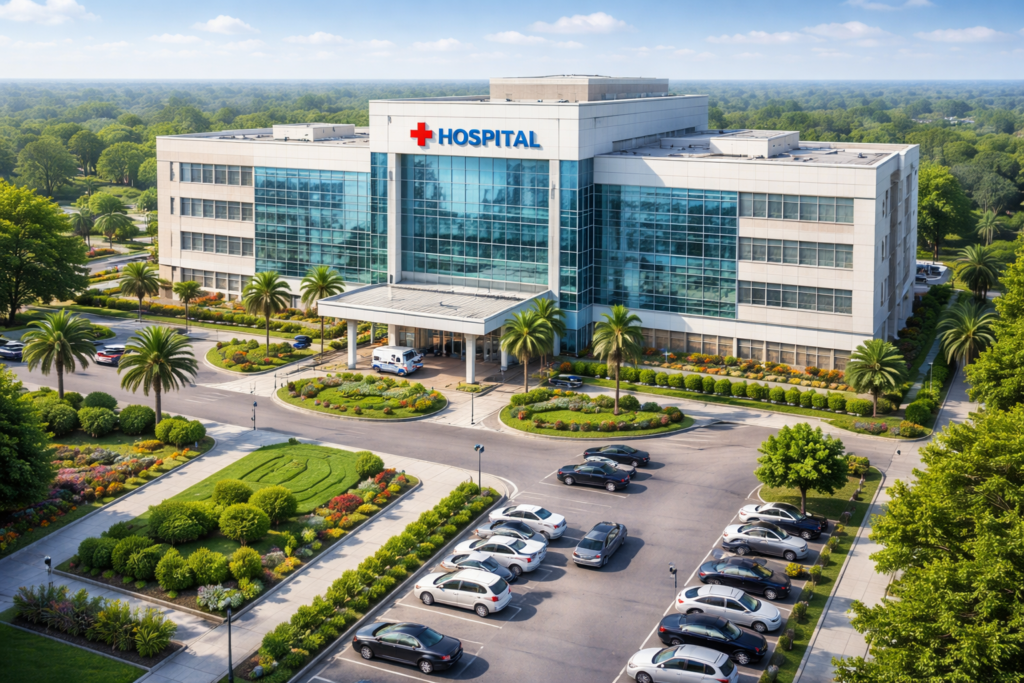
I want you to close your eyes for a moment. Imagine walking through the doors of YOUR hospital. The reception area is welcoming. Nurses are attending to patients with care. Doctors are making life-saving decisions in your operating theatre. The laboratory is running smoothly. The ICU is saving critical patients. It’s YOUR vision. YOUR legacy. YOUR contribution to humanity. Beautiful, right? Now, let me ask you the question that keeps every aspiring hospital owner awake at night.
How much does all of this actually cost? If you’ve been searching for a straight answer, you’ve probably noticed that most resources either give you vague estimates or overwhelming numbers without context. And honestly? That’s frustrating. So today, I’m going to do something different. I’m going to break down the cost to own and run a hospital, honestly, clearly, and practically. Whether you’re a doctor dreaming of private practice, an investor exploring healthcare, or a diaspora professional wanting to build something meaningful back home, this guide is for you. And here’s the thing. One of the highest costs you’ll face is medical equipment. That’s where HemacNG comes in, but we’ll get to that later. First, let’s understand the full picture.
The Two Big Buckets: Start-Up vs. Running Costs
Before we dive into the details, it helps to separate hospital costs into two major buckets:
Capital Expenditure (CapEx) — This is what you spend to get the hospital off the ground. Think land, construction, equipment, and initial setup.
Operating Expenditure (OpEx) — On the other hand, this is what you spend to keep the hospital alive every single month. Think salaries, utilities, consumables, and maintenance.
When people ask “how much does it cost to own and run a hospital?“ they’re really asking about both. Consequently, CapEx is usually a one-off investment, but very large. Meanwhile, OpEx is continuous and relentless. Therefore, you need to plan for both if you want to sleep at night.
Understanding this distinction is crucial because it shapes how you budget, how you seek funding, and ultimately, how sustainable your hospital becomes.
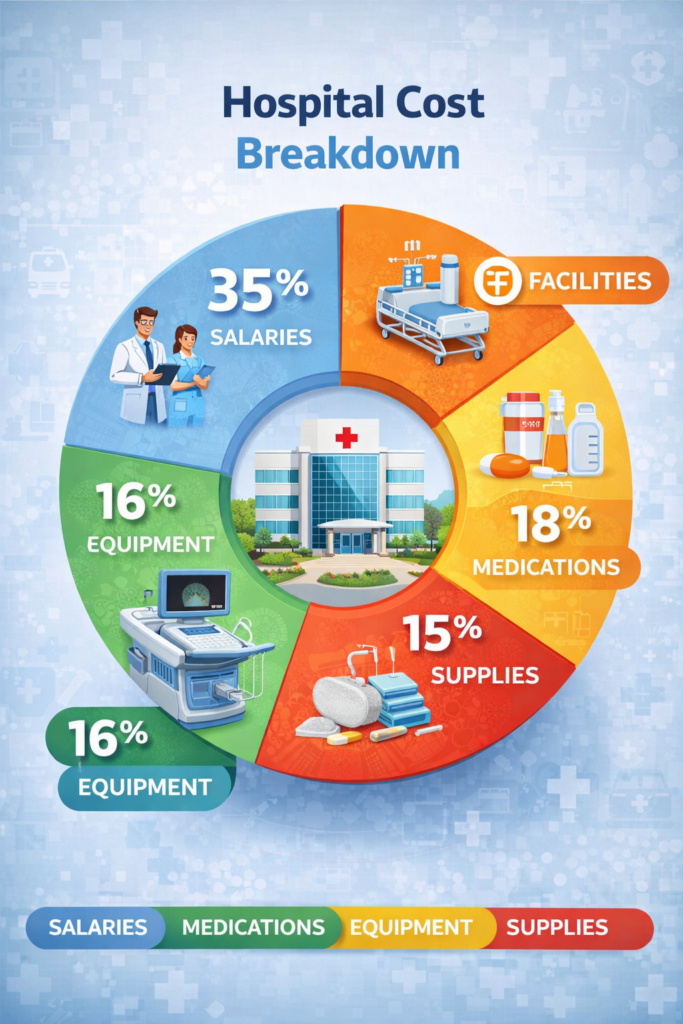
Why You Need to Understand These Costs Before You Start
Let me share something important before we get into the numbers.
Most hospitals that struggle financially don’t fail because healthcare isn’t profitable. Instead, they fail because the owners underestimated the costs from the beginning. For instance, they budgeted for construction but forgot about equipment maintenance. Similarly, they bought cheap devices but spent a fortune on repairs. Moreover, they hired staff but didn’t plan for utilities.
Understanding the cost to own and run a hospital isn’t just about knowing how much money you need. More importantly, it’s about knowing WHERE that money goes, so you can plan wisely, allocate strategically, and avoid the financial landmines that catch so many hospital owners off guard.
According to the World Health Organization, proper healthcare facility planning is essential for sustainable healthcare delivery. And trust me, proper planning starts with understanding your costs.
So let’s break this down into clear categories. No fluff. No guesswork. Just honest numbers and practical advice.
The Complete Cost Breakdown: Everything You’ll Spend Money On
Here’s where we get into the real details. I’ll walk you through every major cost category, give you realistic estimates, and show you how to make smarter decisions along the way.
Land Acquisition and Construction
Let’s start with the foundation, literally.
Your hospital needs a physical home. And depending on where you’re building, this can be either your biggest expense or a manageable investment.
Land costs vary dramatically. For example, a plot in Lagos Island will cost significantly more than one in a smaller city like Owerri or Ilorin. Likewise, the same applies internationally; building in London is very different from building in Accra.
Then comes construction. However, it’s important to understand that hospital buildings aren’t like regular buildings. They require specialized design, wide corridors for stretchers, reinforced floors for heavy equipment, proper ventilation for operating theatres, backup power systems, medical gas piping, and much more.
Here’s a rough estimate for Nigeria:
- Small hospital (20-50 beds): ₦100 million — ₦500 million
- Medium hospital (50-150 beds): ₦500 million — ₦2 billion
- Large hospital (150-500+ beds): ₦2 billion — ₦20 billion+
These numbers might seem intimidating. But remember, you don’t have to build everything at once. In fact, many successful hospital owners start small and expand as revenue grows. This phased approach significantly reduces your initial capital requirement.
Business Registration
Before you see your first patient, you need proper licensing. In Nigeria, this involves:
- Business registration with the Corporate Affairs Commission (CAC)
- Hospital operating license from your State Ministry of Health
- NAFDAC compliance for pharmacy operations
- Fire safety certification
- Environmental compliance
- Waste management licensing
- Professional licensing for medical staff
Estimated cost: ₦500,000 — ₦5 million, depending on hospital size and state requirements.
Admittedly, it’s not the most expensive category. Nevertheless, it’s absolutely non-negotiable. Operating without proper licensing puts everything at risk, your investment, your reputation, and most importantly, your patients’ safety.
Medical Equipment: The Heartbeat of Your Hospital
Now we’ve reached one of the most important aspects of building a hospital: medical equipment. If your hospital building represents the body, then medical equipment serves as the heartbeat that keeps everything functioning properly.
Without the right equipment, even the most beautiful hospital building cannot deliver quality healthcare. However, when the right tools and systems are in place, your hospital becomes a centre where accurate diagnoses are made, effective treatments are delivered, and lives are saved every day.
It is also important to note that medical equipment represents one of the largest investments in hospital development. Therefore, making smart procurement decisions is essential. By choosing reliable equipment and working with the right supplier, hospitals can control costs while ensuring long-term performance.
To better understand these investments, let’s explore the key equipment required across different hospital departments.
Emergency Department Equipment
First, let’s consider the emergency department, which serves as the front line of your hospital. Because emergencies require immediate medical attention, this department must be equipped to handle critical situations quickly and efficiently.
Common equipment required in the emergency department includes:
- Defibrillators
- Patient monitors
- Crash carts
- Stretchers
- Suction machines
- Oxygen delivery systems
Most importantly, these devices must be reliable because emergency care depends on equipment that works every single time without failure.
Estimated equipment cost: ₦10 million — ₦50 million
Operating Theatre Equipment
Next, we move to the operating theatre, where life-saving surgical procedures are performed. As a result, this department requires highly specialized and reliable equipment.
Essential operating theatre equipment includes:
- Operating tables
- Surgical lights
- Anesthesia machines
- Electrosurgical units
- Surgical instrument sets
- Sterilization equipment
- Patient monitoring systems
Because surgical procedures demand precision, hospitals must invest in high-quality surgical equipment to ensure both safety and effectiveness.
Estimated equipment cost: ₦30 million — ₦200 million
Intensive Care Unit (ICU) Equipment
In addition, the Intensive Care Unit (ICU) is designed to support critically ill patients who require constant monitoring and life-support systems.
Key ICU equipment typically includes:
- ICU hospital beds
- Ventilators
- Multi-parameter patient monitors
- Infusion pumps
- Syringe drivers
- Central monitoring stations
Since ICU patients often require continuous medical supervision, this department is usually one of the most equipment-intensive areas in any hospital.
Estimated equipment cost: ₦30 million — ₦300 million
Laboratory Equipment
Furthermore, a well-equipped laboratory plays a crucial role in accurate diagnosis and effective treatment planning.
Hospitals typically require the following laboratory equipment:
- Hematology analyzers
- Chemistry analyzers
- Microscopes
- Centrifuges
- Blood bank refrigerators
- Incubators
- Water purification systems
As a result, reliable laboratory equipment ensures that doctors receive accurate test results, which ultimately leads to better patient outcomes.
Estimated equipment cost: ₦15 million — ₦100 million
Radiology and Imaging Equipment
Similarly, radiology and imaging systems are essential for modern healthcare diagnosis. These technologies allow doctors to see inside the body without performing invasive procedures.
Common imaging equipment includes:
- X-ray machines
- Ultrasound systems
- CT scanners
- MRI machines (for larger hospitals)
Although imaging equipment can be expensive, it remains essential for modern medical practice and accurate diagnosis.
Estimated equipment cost: ₦20 million — ₦500 million+
General Ward Equipment
Beyond specialized departments, hospitals must also equip general wards where patients recover and receive routine medical care.
Typical ward equipment includes:
- Hospital beds (manual or electric)
- Bedside cabinets
- IV stands
- Wheelchairs
- Ward screens
- Nurse call systems
While these items may seem basic, they can represent a significant investment when equipping multiple patient wards.
Estimated equipment cost: ₦15 million — ₦80 million
Maternity and Neonatal Equipment
In addition, hospitals that offer maternity services require specialized equipment designed for maternal and newborn care.
Essential maternity equipment includes:
- Delivery beds
- Fetal monitors
- Infant warmers
- Neonatal incubators
- Vacuum extractors
These devices are particularly important, as they help healthcare professionals provide safe childbirth and neonatal support.
Estimated equipment cost: ₦10 million — ₦80 million
Pharmacy Equipment
Finally, hospital pharmacies must also be properly equipped to maintain drug safety and proper medication storage.
Key pharmacy equipment includes:
- Pharmaceutical refrigerators
- Medicine storage systems
- Drug dispensing equipment
By maintaining the right storage conditions, hospitals can ensure that medications remain safe and effective for patient use.
Estimated equipment cost: ₦3 million — ₦15 million
Total Estimated Hospital Equipment Costs
When all departments are considered together, the total investment in hospital equipment becomes significant.
| Hospital Size | Estimated Equipment Cost |
|---|---|
| Small (20–50 beds) | ₦50 million — ₦200 million |
| Medium (50–150 beds) | ₦200 million — ₦1 billion |
| Large (150–500+ beds) | ₦1 billion — ₦10 billion+ |
At first glance, these numbers may seem substantial. However, working with the right equipment supplier can help hospitals manage these investments more effectively.
Choose the Right Partner
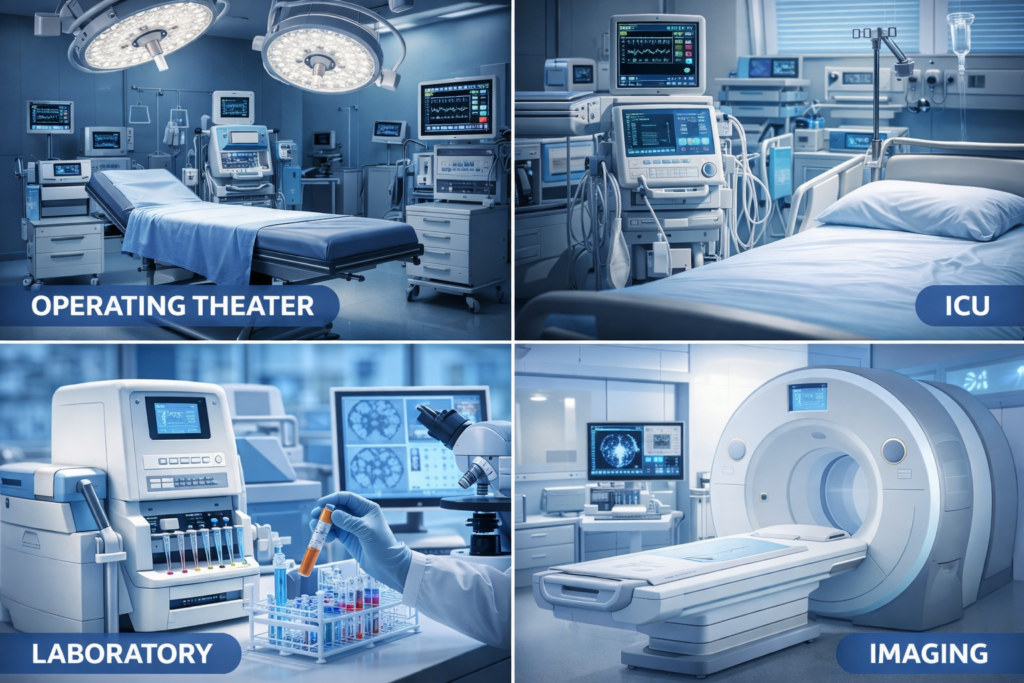
This is exactly where HemacNG becomes valuable. HemacNG supplies high-quality medical equipment for every hospital department, including emergency rooms, ICUs, laboratories, and operating theaters. In addition, every product meets international quality standards, ensuring safety and reliability. Moreover, HemacNG offers comprehensive services such as:
- Equipment installation
- Staff training
- Preventive maintenance
- After-service support
Whether your hospital is located in Lagos, Nairobi, Dubai, or London, HemacNG can deliver equipment directly to your facility anywhere in the world.
Ultimately, when you are making a significant investment in hospital equipment, partnering with a trusted supplier helps ensure that your equipment continues to deliver value for many years
Staffing — Your Most Valuable (and Expensive) Asset
Equipment saves lives. But ultimately, it takes people to operate that equipment.
Staffing is typically the highest ongoing cost of running a hospital. And importantly, it’s not just about doctors and nurses. A functioning hospital needs:
- Doctors — General practitioners, surgeons, specialists
- Nurses — Registered nurses, midwives, ICU nurses
- Laboratory scientists and technicians
- Pharmacists
- Radiographers
- Biomedical engineers — to maintain your equipment
- Administrative staff — receptionists, records officers, accountants
- Security personnel
- Cleaners and support staff
Monthly staffing costs vary enormously:
| Hospital Size | Estimated Monthly Staffing Cost |
|---|---|
| Small (20-50 beds) | ₦5 million — ₦20 million |
| Medium (50-150 beds) | ₦20 million — ₦80 million |
| Large (150-500+ beds) | ₦80 million — ₦300 million+ |
Here’s a tip that many new hospital owners miss: invest in training your staff on equipment usage from day one. The best equipment in the world is worthless if your team doesn’t know how to use it properly. This is another reason why choosing an equipment supplier like HemacNG that includes staff training in their service package is so valuable.
Additionally, consider that well-trained staff reduce equipment damage, improve patient outcomes, and ultimately save you money on repairs and replacements.
Technology and IT Systems
Modern hospitals run on technology. As a result, you’ll need:
- Hospital Management Information System (HMIS)
- Electronic Medical Records (EMR)
- Laboratory Information System
- Billing and accounting software
- Networking infrastructure
- Cybersecurity protection
Estimated cost: ₦5 million — ₦50 million depending on complexity.
Don’t overlook this category. A good IT system streamlines operations, reduces errors, and ultimately saves you money. Furthermore, it improves patient experience and staff efficiency, both of which directly impact your bottom line.
Operational and Utility Costs
This is where the “running” part of the cost to own and run a hospital really shows up. Every single month, you’ll be paying for:
- Electricity — Hospitals need 24/7 power. In Nigeria, that means grid power PLUS backup generators
- Diesel/fuel — Generators are hungry machines
- Water supply — Clean water is non-negotiable
- Medical gases — Oxygen, nitrous oxide
- Consumables — Gloves, syringes, bandages, IV fluids, test kits
- Pharmaceuticals — Drug inventory for your pharmacy
- Laundry and housekeeping — Clean linens, sterile environments
- Waste management — Medical waste disposal is specialized and regulated
- Insurance — Facility, equipment, liability, and staff insurance
Monthly operational costs can range from ₦3 million for a small clinic to ₦100 million+ for a large hospital.
These ongoing costs are precisely why so many experts recommend having at least 12-24 months of operational funding secured before opening your doors. Without this buffer, even a profitable hospital can face cash flow crises in its early months.

Equipment Maintenance and After-Service
Here’s something that many hospital owners learn the hard way: buying equipment is just the beginning.
Every piece of medical equipment requires ongoing maintenance — preventive servicing, calibration, repairs, spare parts replacement, and software updates. Neglecting maintenance leads to equipment failure, patient safety risks, and much higher costs down the line.
As a general rule, budget 5-15% of your total equipment value annually for maintenance and after-service.
We’ve written a detailed guide on this topic, What is Medical Equipment After-Service?, that every hospital owner should read.
And this is yet another reason why choosing the right equipment supplier matters. At HemacNG, after-service isn’t an afterthought; it’s built into everything we do. From preventive maintenance programs to emergency repairs, we keep your equipment running reliably.
Moreover, proper maintenance protects your investment. Equipment that receives regular care lasts significantly longer, sometimes decades longer than neglected devices.
Marketing and Patient Acquisition
Your hospital is built. It’s equipped. Your staff is ready. But where are the patients?
Marketing might not be the first thing you think about, but it’s essential, especially in the early months. You’ll need:
- Hospital branding and signage
- A professional website
- Social media presence
- Community outreach programs
- Referral network development
- Health awareness campaigns
Estimated initial marketing budget: ₦2 million — ₦20 million
Don’t underestimate this. Even the best-equipped hospital struggles without patients walking through the door. Consequently, having a solid marketing strategy from day one is just as important as having the right equipment.
How HemacNG Helps You Control Equipment and Running Costs
Now, HemacNG can’t change land prices or staff salaries. However, we can significantly influence a major piece of how much it costs to own and run a hospital: medical equipment and its entire lifecycle.
Here’s specifically how we help:
Equipment Planning and Right-Sizing
First and foremost, we help you choose equipment that matches your service level, budget, and plans. This prevents both over-specification (buying more than you need) and under-specification (buying less than you need). As a result, every naira you spend delivers maximum clinical value.
Vendor and Technology Advisory
Additionally, we compare different brands and technologies for clinical value, reliability, and total cost of ownership. This ensures what you buy can actually be supported and maintained long-term.
Procurement and Logistics Support
Furthermore, we assist with sourcing, documentation, and delivery. We coordinate installation and commissioning to manufacturer standards, so your equipment works perfectly from day one.
After-Service, Maintenance, and TCO Optimization
Finally, and perhaps most importantly, we offer preventive maintenance contracts, corrective repairs, and calibration services. These extend equipment life and eliminate costly “emergency repair” surprises that can devastate hospital budgets.
If you’re planning a new hospital or expanding an existing one, talk to HemacNG about your equipment and maintenance plan. The earlier you involve us, the more money we can save you.
How to Fund Your Hospital Dream
Now that you know the costs, let’s talk about how to pay for it all. Fortunately, you have several options:
Personal savings and family investment — This is the most common starting point for many hospital owners in Nigeria. It demonstrates commitment and gives you full control.
Bank loans — Several Nigerian banks offer healthcare-specific financing. However, come prepared with a solid business plan that demonstrates viability and repayment capacity.
Investors and partnerships — Find people who share your vision and are willing to invest. Having partners also spreads the risk.
Government grants — The Federal Ministry of Health and state governments occasionally offer healthcare development funding. These opportunities require proactive research and application.
International development funding — Organizations like the World Bank and African Development Bank fund healthcare infrastructure projects, particularly in underserved areas.
Equipment leasing and vendor financing — Instead of paying the full equipment cost upfront, explore leasing arrangements that spread payments over time. Talk to HemacNG about flexible equipment procurement solutions.
Diaspora investment — If you’re based abroad, consider pooling resources with other diaspora professionals who share your passion for healthcare development.
The key is to diversify your funding sources. Don’t put all your eggs in one basket. By combining multiple funding streams, you create a more resilient financial foundation for your hospital.
Smart Ways to Reduce Costs Without Cutting Corners
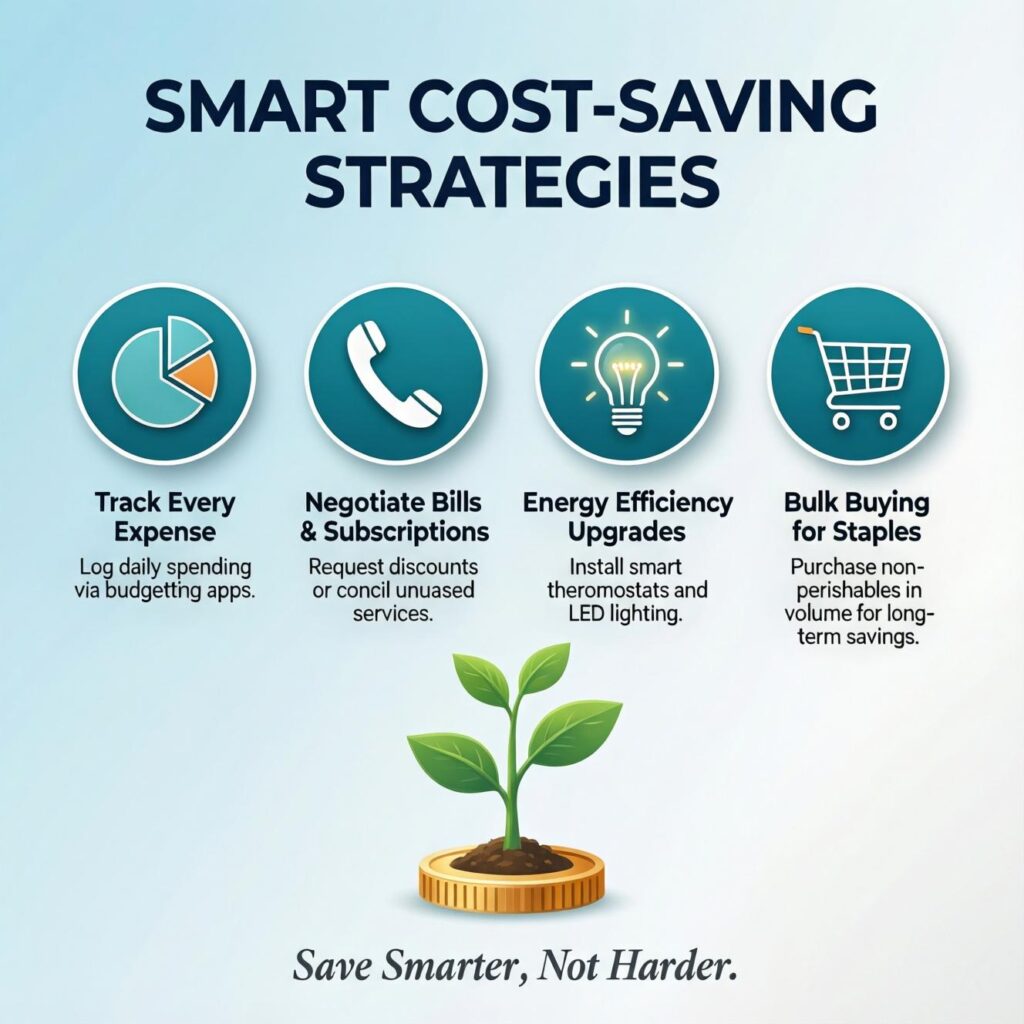
Here’s the good news. You can significantly reduce the cost to own and run a hospital without sacrificing quality. Here’s how:
Start small and scale. You don’t need 200 beds on day one. Instead, start with the essential departments and expand as revenue grows. This approach is both financially prudent and operationally manageable.
Prioritize equipment wisely. Invest in critical equipment first. Then, upgrade to premium devices as your hospital matures. HemacNG can help you plan a phased equipment strategy that matches your growth trajectory.
Choose the right supplier. A trusted supplier with competitive pricing, quality products, and comprehensive after-service saves you enormously in the long run. We’ve written about this in detail, Better Ways for Hospitals to Buy Medical Equipment.
Invest in preventive maintenance. Spending a little on regular maintenance prevents catastrophic repair costs later. Think of it as insurance for your equipment investment. Learn about after-service.
Negotiate comprehensive service packages. When you buy equipment, don’t just pay for the device — negotiate packages that include installation, training, and maintenance. This is exactly what HemacNG offers.
Use energy-efficient solutions. Solar panels, energy-efficient equipment, and smart building design can dramatically reduce your monthly utility bills. Over time, these savings compound significantly.
Why HemacNG Should Be Your Equipment Partner
When you’re investing hundreds of millions, or even billions, in a hospital, your equipment supplier isn’t just a vendor. They’re a partner. And choosing the wrong partner can cost you dearly.
Here’s why hospitals worldwide choose HemacNG:
Complete Hospital Equipping — We supply equipment for every department. One supplier. One relationship. Complete coverage. See our full catalogue.
Delivery to Any Country — Building in Nigeria? Wonderful. Building in Ghana, Kenya, the UK, or Saudi Arabia? We deliver there too. HemacNG ships medical equipment to any country in the world.
International Quality Standards — Every product we supply meets CE, FDA, and ISO 13485 standards. No compromises. No exceptions.
Full Lifecycle Support — Installation. Training. Preventive maintenance. Repairs. Calibration. We support your equipment throughout its entire lifespan. Explore our services.
Honest Pricing — We believe in transparency. What we quote is what you pay. No hidden fees.
Long-Term Partnership — We don’t disappear after delivery. We stay with you — maintaining, supporting, and growing alongside your hospital.
Your hospital deserves the best equipment. And your equipment deserves the best supplier.
Frequently Asked Questions
How much does it cost to start a small hospital in Nigeria?
A small hospital with 20-50 beds can cost between ₦300 million and ₦1.2 billion, covering land, construction, equipment, staffing, and initial operational costs. However, costs vary significantly based on location, equipment quality, and facility specifications.
What is the most expensive part of owning a hospital?
Medical equipment and construction are the largest capital expenses, while staffing is the largest ongoing operational cost. Together, these three categories typically account for over 80% of total hospital costs.
Where can I buy quality hospital equipment?
HemacNG supplies quality medical equipment for every hospital department, with delivery to any country worldwide. Every product meets international quality standards.
Is owning a hospital profitable?
Yes, hospitals can be highly profitable when properly planned and managed. Most hospitals achieve profitability within 2-5 years, depending on location, services offered, and management efficiency.
Does HemacNG deliver equipment internationally?
Absolutely. HemacNG delivers medical equipment to hospitals in Nigeria and any country in the world. Whether you’re building locally or internationally, we’ve got you covered.
Your Hospital Dream Starts Here
Let me end with this. I know the numbers in this article might feel heavy. The cost to own and run a hospital is significant; there’s no way around that. But here’s what I want you to hold onto: Every great hospital in the world started with someone who dared to dream.
Someone who looked at those numbers and said, “It’s worth it.” Someone who understood that the cost of NOT building that hospital, the lives that wouldn’t be saved, the communities that wouldn’t be served, the patients who wouldn’t receive care, was far greater than any financial investment. You could be that someone.
And when you’re ready, when you’ve done your planning, secured your funding, and started building, HemacNG will be right there with you. We’ll equip every department. We’ll deliver anywhere in the world. And we’ll stand by your side with maintenance and support for years to come.
Because your hospital isn’t just a building. It’s a promise. A promise to every patient who will walk through those doors, hoping for healing, compassion, and excellent care. Let’s build that promise together. Contact HemacNG today and let’s start planning your hospital’s equipment needs, wherever in the world you’re building.