

Uncategorized
Infrared vs Contact Thermometers in Nigeria: Pros & Cons Compared (2025 Guide)
Introduction
Nurse Chidinma still remembers March 2020. As COVID cases surged in Lagos, her clinic’s single mercury thermometer broke under the strain of hundreds of daily temperature checks. “We had to choose between Infrared vs contact thermometers quickly,” she recalls. “But which was truly better?”
This dilemma remains relevant today across Nigerian homes and healthcare facilities. Should you invest in the speed of infrared thermometers or stick with the proven accuracy of contact devices?
In this 2025 guide, we’ll break down:
✅ How each thermometer works in Nigerian conditions
✅ Shocking accuracy differences revealed by local studies
✅ Where to buy reliable devices (avoiding dangerous fakes)
✅ Pro tips for perfect readings every time
Imagine walking into a small community clinic in Lagos. A worried mother arrives with her feverish child. The nurse, calm and focused, quickly reaches for a thermometer. But is it infrared or contact? The decision could shape the entire patient experience. In today’s fast-paced healthcare environment,
choosing between infrared vs contact thermometers isn’t just a technical debate, it’s a practical, emotional, and financial choice, especially in Nigeria. Whether you’re a health worker in a busy hospital, a school nurse, or a parent monitoring your child’s fever at home, understanding the pros and cons of infrared vs contact thermometers has never been more crucial.
In this 2025 guide tailored for Nigerian households and clinics, we’ll walk you through everything you need to know about infrared vs contact thermometers, how they work, their pros and cons, how to use them correctly, and which one is best for your unique needs.
Understanding the Two Types
What Are Contact Thermometers?
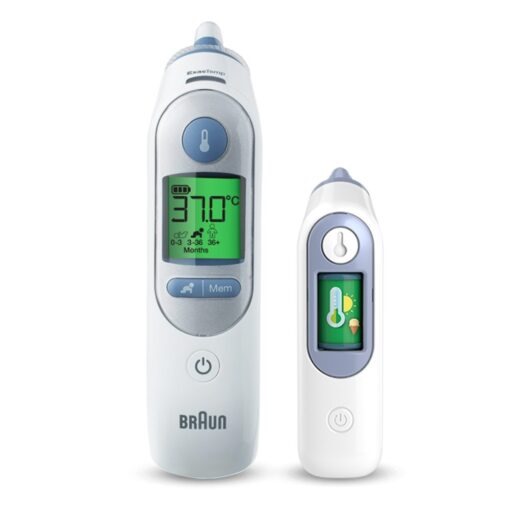
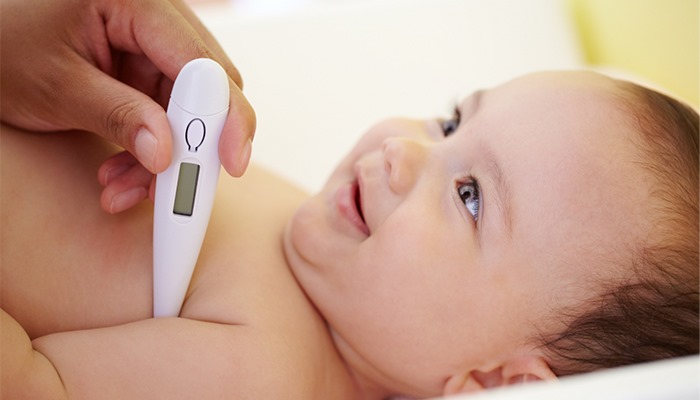
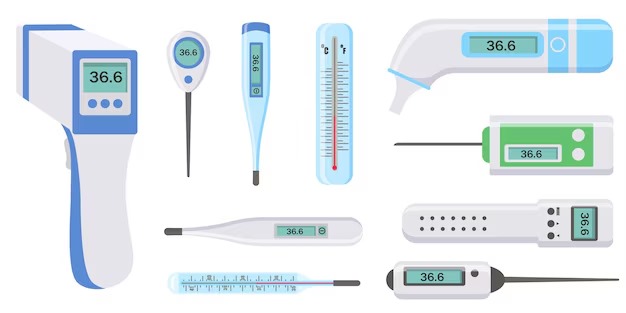
Contact thermometers are traditional devices that require direct skin contact, usually oral, rectal, underarm, or ear, to read body temperature. They’re often considered the standard for personal and clinical use.
Key Features:
- Direct measurement through contact
- Higher accuracy in stable environments
- Widely used in hospitals and homes
Infrared vs Contact Thermometers: Key Differences
1. Speed & Convenience
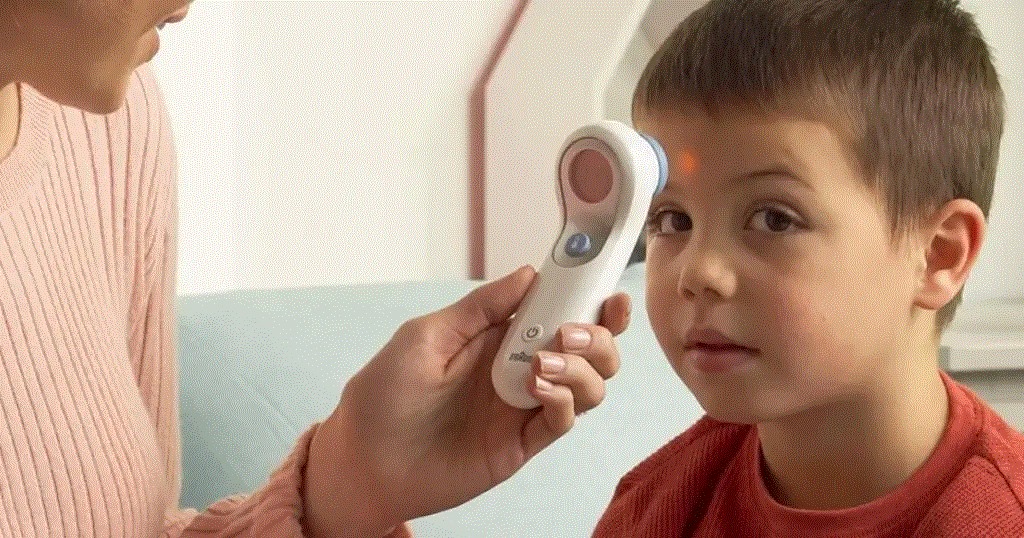
Infrared: Delivers readings in 1–3 seconds, ideal for mass screenings.
Contact: Requires 30+ seconds of proper placement.
Verbatim: “During peak COVID, we screened 200+ people/hour using infrared. With contact thermometers? Maybe 50.” – Security Officer, Lagos Airport
2. Hygiene & Safety
Infrared: Zero infection risk, perfect for contagious outbreaks.
Contact: Requires alcohol swabbing between uses. A 2023 NCDC report found 68% of Nigerian clinics reuse probes without proper cleaning.
3. Accuracy & Reliability
Contact: Gold standard for diagnostics. Oral readings have ±0.1°C precision.
Infrared: A Nigerian study found forehead scanners missed 87% of fevers compared to oral thermometers (PMC Nigeria).
Common Issues:
- Sweat/grease skews infrared readings
- Reflective headwear causes false lows
- Dusty environments affect sensors
4. Cost & Accessibility
Contact: As cheap as ₦2,500 (local markets)
Infrared: Starts at ₦12,000 for basic models
What Are Contact Thermometers?
Contact thermometers are traditional devices that require direct skin contact, usually oral, rectal, underarm, or ear, to read body temperature. They’re often considered the standard for personal and clinical use.
Key Features:
- Direct measurement through contact
- Higher accuracy in stable environments
- Widely used in hospitals and homes
Pros and Cons of Infrared Thermometers
Pros:
- Hygienic: No physical contact needed
- Fast: Measures in seconds
- Safe: Reduces cross-contamination
- Ideal for Public Spaces: Great for schools, offices, and clinics
Cons:
- Expensive: Higher cost than contact models
- Affected by Environment: Accuracy may drop with extreme temperature or distance
- Calibration Needed: Needs occasional recalibration for reliable results
External Link: CDC Guidelines on Temperature Screening
Pros and Cons of Contact Thermometers
Pros:
- Accurate: Consistent temperature readings
- Affordable: Budget-friendly for homes and small clinics
- Proven: Trusted by healthcare professionals for years
Cons:
- Hygiene Issues: Requires thorough cleaning between uses
- Slower: Takes 30–60 seconds for accurate results
- Discomfort: May cause discomfort in children or sensitive patients
How to Use an Infrared Thermometer
- Power On: Make sure it’s charged or has batteries.
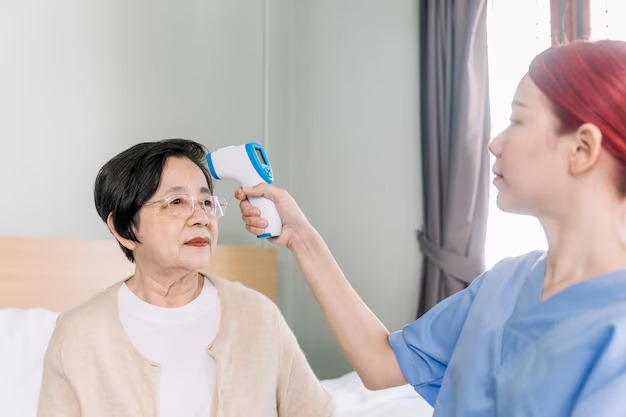
- Hold Steady: Aim at the forehead (usually 2–5 cm away).
- Press and Read: Press the scan button and wait 1–2 seconds for a result.
- Review: Some models store the last readings or signal if a fever is detected.
Tip: Use in a room with stable temperature to avoid false readings.
How to Use a Contact Thermometer
- Sanitize: Always clean before and after use.
- Position Properly: Place under the tongue, armpit, or ear.
- Wait: It may take up to 60 seconds for a complete reading.
- Record: Note down and monitor readings over time.
Tip: Avoid hot/cold drinks or exercise before oral readings.
Which One Should You Choose in Nigeria?
The choice between infrared vs contact thermometers depends on:
Your Setting:
- Home use: Contact thermometers are perfect if you’re looking for accuracy and affordability.
- Clinic/school/public space: Infrared thermometers offer safety and speed.
Budget:
- Infrared: From N10,000 – N15,000
- Contact: From N3,000 – N5,000
Tech Skill:
- Infrared models are easy to use but require a bit more tech know-how. Affordable Thermometers for Clinics on HEMACNG
Real-Life Scenarios in Nigeria
- A busy private school in Abuja uses infrared thermometers for daily entry checks, minimizing physical contact.
- A midwife in Enugu uses a contact thermometer for prenatal visits, valuing its consistent accuracy.
- Parents in Lagos prefer infrared models for squirmy toddlers who hate anything under the tongue.
Common Mistakes to Avoid
- Using infrared thermometers in hot rooms or direct sunlight
- Not disinfecting contact thermometers after each use
- Ignoring battery life or calibration on digital models
Final Verdict: Infrared vs Contact Thermometers
Both thermometers have a place in Nigeria’s healthcare toolkit. For small clinics, homes, and schools, it’s not about which is better, but which is best for your use case.
Quick Summary:
| Feature | Infrared | Contact |
|---|---|---|
| Accuracy | Moderate–High | High |
| Hygiene | Very High | Low |
| Speed | 1–3 secs | 30–60 secs |
| Cost | Higher | Lower |
| Best Use | Public or High-Volume | Personal/Family Use |
Conclusion: Make the Right Choice for Your Health
Choosing the right thermometer can improve your patient care, family health, and clinic operations. With this guide to infrared vs contact thermometers, you’re now equipped to make an informed decision, one that suits your budget, your setting, and your needs.
Still unsure? Explore our trusted thermometer collection on HEMACNG and speak with our support team today.