
Uncategorized
What Goes Into Hospital Medical Equipment Management?

A young mother rushes into your hospital’s emergency room. Her child is struggling to breathe. The doctor reaches for the ventilator. It powers on immediately. The settings are accurate. The alarms are properly calibrated. Within minutes, the child is stabilized. Now imagine the opposite. The ventilator doesn’t turn on. Or it powers up but gives inaccurate readings. Or nobody on shift knows how to operate it properly.
That’s the difference between good hospital medical equipment management and no management at all. That’s the difference between a child going home to their family and a tragedy that didn’t need to happen. Heavy, right? But this is the reality that hospitals face every single day. And it’s exactly why this topic matters so deeply.
According to the World Health Organization, up to 50-80% of medical equipment in developing countries is either non-functional or poorly managed. Let that sink in. More than half of all medical equipment in some hospitals isn’t working properly.
But here’s the good news. It doesn’t have to be this way. With the right knowledge, the right systems, and the right partners, you can build an equipment management program that keeps every device in your hospital running safely, accurately, and reliably. And that’s exactly what this guide is about. Whether you’re a hospital administrator, a biomedical engineer, a new hospital owner, or an investor planning a healthcare facility, this guide will walk you through everything that goes into hospital medical equipment management. Step by step. Component by component. No fluff. Just practical, actionable knowledge. Let’s dive in.
Why Hospital Medical Equipment Management Matters More Than You Think
Most hospitals don’t fail because they lack equipment. They fail because they can’t manage what they have.
When hospital medical equipment management is weak:
- Life-support machines aren’t available when needed
- Lab results are delayed or wrong because analyzers are poorly maintained
- Theatres cancel cases because a simple device isn’t working
- Staff lose trust in the equipment and improvise unsafe workarounds
And when regulators or accreditation bodies visit, the lack of documentation around your devices becomes painfully obvious.
On the other hand, when hospital medical equipment management is strong:
- Devices are available, safe, and accurate
- Preventive maintenance prevents crisis breakdowns
- Management can budget better and extend equipment lifespan
- Patients and staff are safer and more confident
The World Health Organization consistently highlights that medical devices are only as good as the systems managing them. That system is exactly what we’re talking about here.
What Exactly Is Hospital Medical Equipment Management?
Before we get into the details, let’s make sure we’re on the same page about what this actually means.
Hospital medical equipment management is the systematic approach to planning, acquiring, installing, operating, maintaining, tracking, and eventually retiring every piece of medical equipment in a healthcare facility.
Notice I said, “systematic.” That’s the keyword. This isn’t about randomly fixing things when they break. It’s about having a structured, proactive system that covers every stage of an equipment’s life, from the moment you decide you need it to the moment you retire it.
Think of it like this. You wouldn’t buy a car and never change the oil, never check the tyres, never service the engine, and then wonder why it broke down on the highway. Medical equipment is the same. Except the stakes are infinitely higher.
Good hospital medical equipment management ensures the following:
- Patient safety: Equipment works accurately when lives depend on it
- Clinical effectiveness: Doctors and nurses have reliable tools
- Regulatory compliance: You meet NAFDAC, WHO, and ISO 13485 standards
- Financial sustainability: You protect your investment and reduce waste
- Operational efficiency: Less downtime means more patients served
Now that we understand what it is and why it matters, let’s explore every component that goes into it.
The 12 Essential Components of Hospital Medical Equipment Management
Effective hospital medical equipment management isn’t just one thing. It’s a system made up of interconnected components, each one essential, each one building on the others.
Let me walk you through all twelve.
1. Equipment Planning and Needs Assessment
Everything starts here. Before you spend a single naira on equipment, you need to know exactly what your hospital needs.
This means sitting down with your clinical staff, your biomedical team, and your administrators to answer critical questions:
- What services does our hospital provide?
- What equipment do we currently have, and what condition is it in?
- What gaps exist in our current inventory?
- What do our patients need that we can’t currently provide?
- What’s our budget, realistically?
A proper needs assessment prevents two common disasters: buying equipment you don’t actually need and failing to buy equipment you desperately do need.
Create a prioritized list. Separate the essentials from the nice-to-haves. Match equipment choices to your patient demographics and clinical specialities. And involve the people who will actually use the equipment; they know what they need better than anyone.

2. Smart Procurement and Purchasing
Once you know what you need, the next step is buying wisely. And trust me, how you buy matters just as much as what you buy.
Smart procurement means the following:
- Setting budgets that account for the total cost of ownership, not just the purchase price
- Evaluating suppliers based on quality, reliability, and after-service support
- Verifying that equipment meets international standards, CE marking, FDA approval, ISO 13485
- Negotiating packages that include installation, training, and maintenance
- Reading contracts carefully before signing anything
Choosing the wrong supplier is one of the costliest mistakes in hospital medical equipment management. A supplier who disappears after the sale leaves you stranded when equipment needs servicing.
We’ve written extensively about this in our guide: Better Ways for Hospitals to Buy Medical Equipment.
At HemacNG, we make procurement simple and stress-free. We supply quality medical equipment for every hospital department, and we deliver to hospitals anywhere in the world. Whether you’re in Lagos or London, Abuja or Abu Dhabi, we’ll get your equipment to you.
3. Receiving, Inspection, and Acceptance Testing
When your equipment arrives, don’t just sign the delivery note and walk away. This is a critical checkpoint that many hospitals skip.
Proper receiving involves:
- Verifying the delivery against your purchase order
- Inspecting every item for physical damage
- Checking that all components, accessories, and documentation are included
- Performing acceptance testing, powering up the equipment and verifying it works according to specifications
If something is damaged, missing, or doesn’t perform as promised, this is the time to raise it with your supplier. Not three months later.
Document everything. Take photos. Keep records. This protects you and establishes a clear baseline for future management.
4. Professional Installation and Commissioning
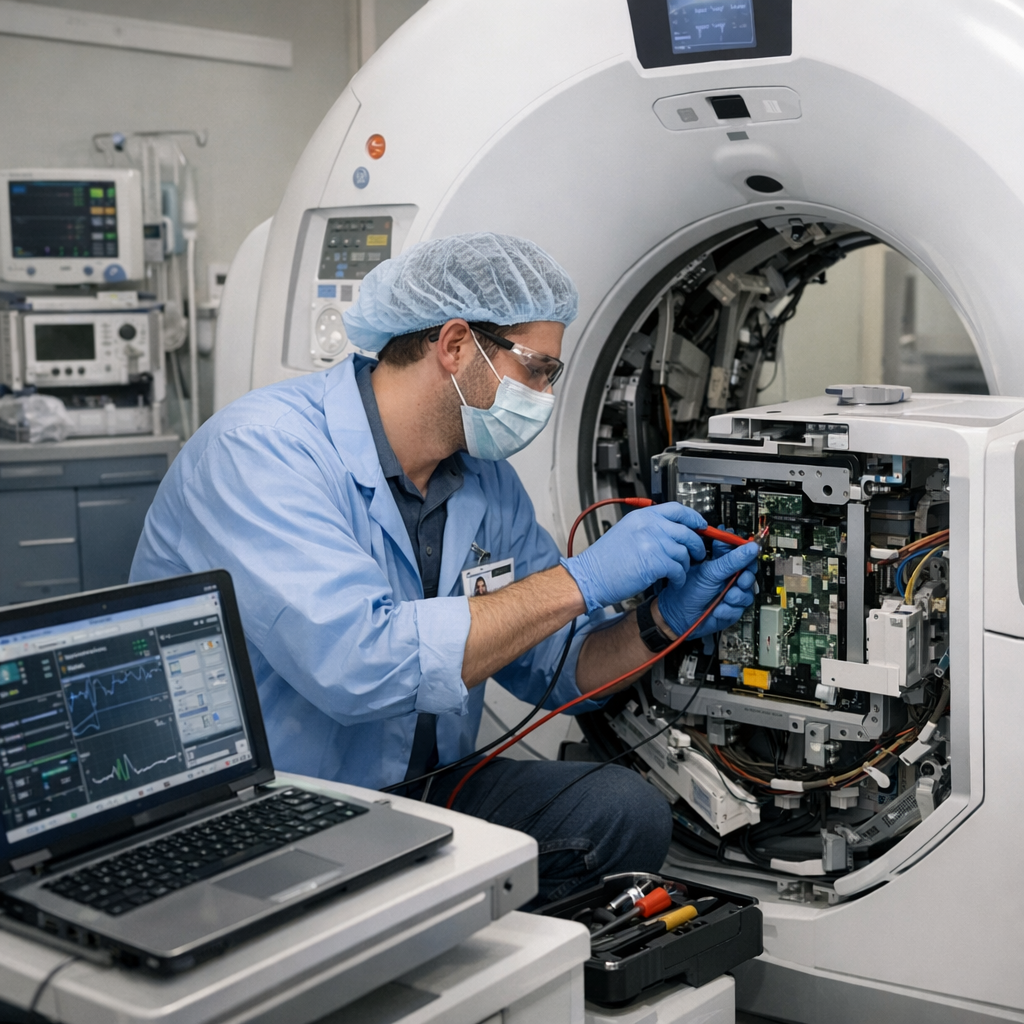
Here’s something I feel strongly about. Qualified professionals should ALWAYS install medical equipment.
Professional installation involves:
- Preparing the site, ensuring proper power supply, ventilation, water connections, and adequate space
- Physically setting up and assembling the equipment
- Connecting it to your facility’s infrastructure
- Performing initial calibration
- Running safety checks
- Validating performance against manufacturer specifications
- Documenting everything
I’ve seen hospitals try to install complex equipment themselves to save money. It rarely ends well. Improper installation can damage equipment, void warranties, create safety hazards, and compromise clinical accuracy.
At HemacNG, professional installation is part of our standard commitment. Our engineers ensure everything is set up correctly, safely, and ready to perform from day one.
5. Staff Training and Competency Development
Let me tell you something that keeps biomedical engineers up at night.
A hospital buys a beautiful, state-of-the-art patient monitor. It arrives. It gets installed. And then… nobody uses it properly. Nurses press the wrong buttons. Alarms get ignored. Features go unexplored. Within months, the equipment is either damaged from misuse or sitting in a corner collecting dust.
Training is not optional. It’s one of the most critical components of hospital medical equipment management.
Every person who touches medical equipment needs to know:
- How to operate it correctly
- How to handle it safely
- How to perform basic daily checks
- How to recognize and report problems
- How to clean and care for it between uses
And training shouldn’t be a one-time event. Staff turnover means new employees constantly need training. Regular refresher courses keep skills sharp. And as equipment gets software updates or feature changes, retraining becomes necessary.
At HemacNG, we don’t just deliver equipment. We train your team to use it with confidence. Because the best equipment in the world is only as good as the hands operating it.
6. Equipment Inventory and Asset Tracking
Here’s a simple truth: you can’t manage what you don’t track.
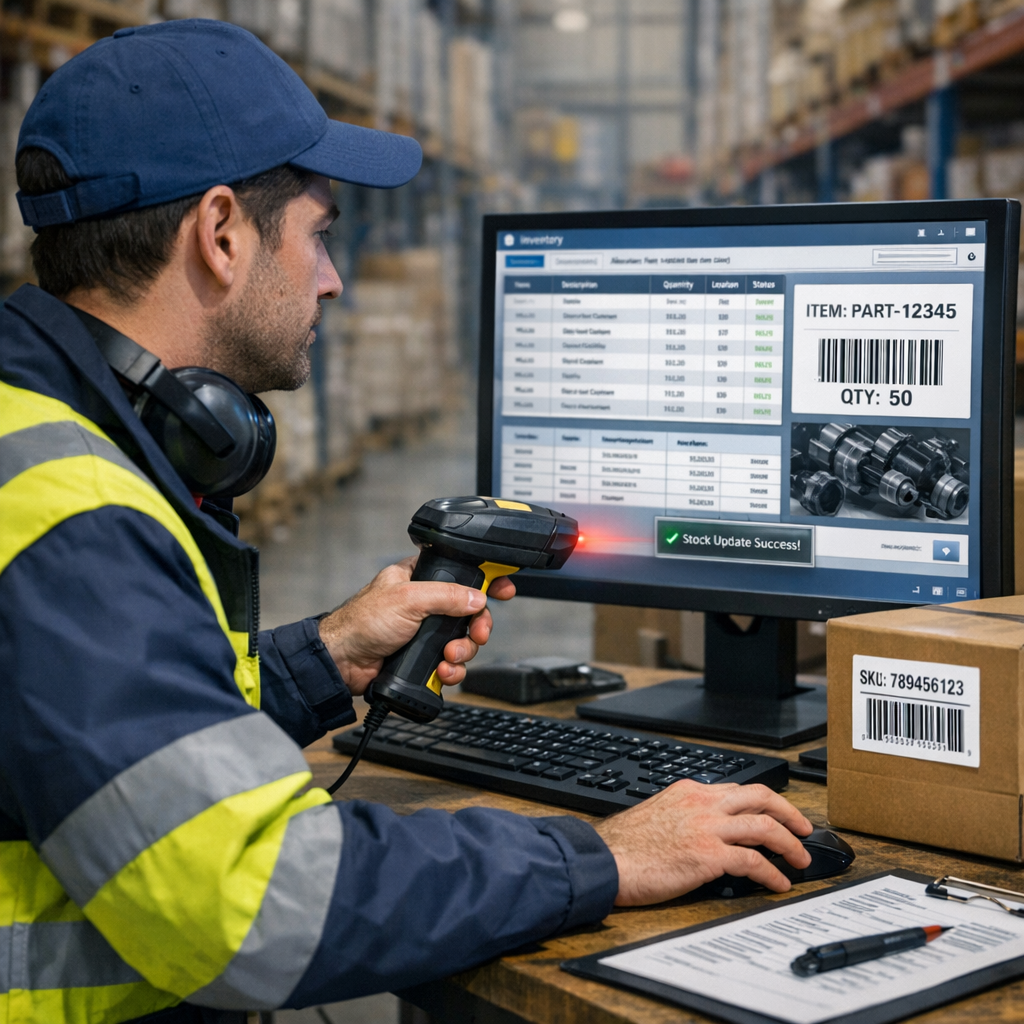
Every hospital needs a comprehensive equipment inventory that includes:
- Equipment name, manufacturer, and model
- Serial numbers
- Purchase date and cost
- Location within the hospital
- Current condition and status
- Warranty information
- Maintenance history and schedule
- Expected useful lifespan
Some hospitals manage this with spreadsheets. More advanced facilities use computerized maintenance management systems (CMMS) or barcode/QR code tracking.
Whatever method you use, the goal is the same: to know exactly what equipment you have, where it is, what condition it’s in, and when it next needs attention.
Good inventory management supports everything else in your hospital’s medical equipment management program, from maintenance scheduling to budget planning to regulatory compliance.
7. Preventive Maintenance, The Game Changer
If I could only tell you ONE thing about hospital medical equipment management, it would be this:
Preventive maintenance saves lives and money.
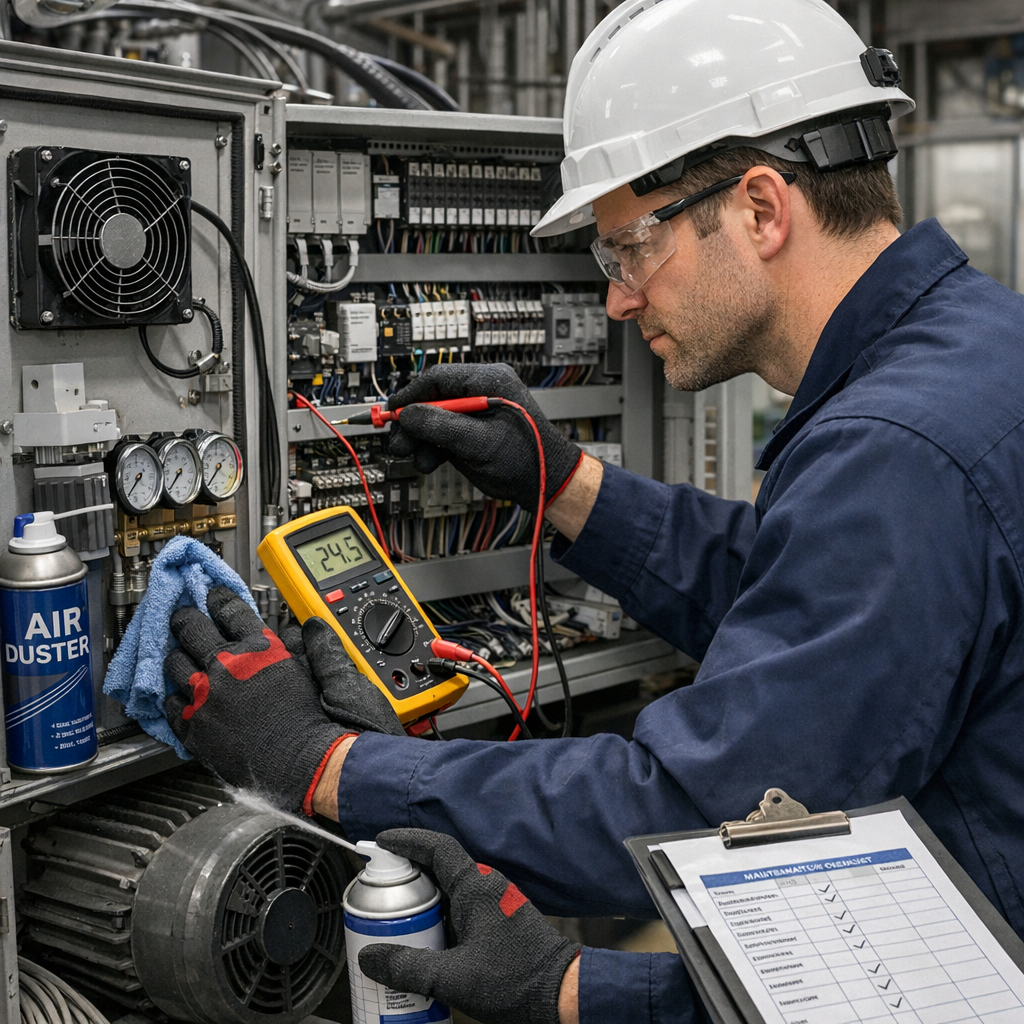
Preventive maintenance means servicing equipment on a scheduled basis, BEFORE anything goes wrong. It includes regular inspections, cleaning, lubrication, part replacements, performance testing, safety checks, and software updates.
The benefits are staggering:
- Reduces unexpected breakdowns by up to 70%
- Extends equipment lifespan by years
- Maintains accuracy and reliability
- Lowers total maintenance costs significantly
- Keeps patients safe
- Ensures regulatory compliance
Yet despite these clear benefits, many hospitals operate on a “fix it when it breaks” approach. That’s like waiting for a heart attack before deciding to exercise. By then, the damage is done, and the cost is enormous.
We’ve covered this extensively in our article: What is Medical Equipment After-Service?
HemacNG offers customized preventive maintenance programs for hospitals across Nigeria and worldwide. Our engineers keep your equipment performing at its best, so you can focus on what matters most: your patients.
8. Corrective Maintenance and Repairs
Despite the best preventive maintenance, equipment will occasionally break down. That’s just reality. What matters is how quickly and effectively you respond.
Corrective maintenance involves:
- Diagnosing the fault accurately
- Sourcing the right replacement parts
- Performing the repair professionally
- Testing the equipment thoroughly after repair
- Documenting the entire process
Response time is critical. For life-support equipment like ventilators and defibrillators, you need repairs within hours. For other clinical equipment, 24-48 hours should be the target.
One crucial point: always use genuine spare parts. Counterfeit or incompatible parts might seem cheaper, but they cause more problems than they solve, from inaccurate readings to complete equipment failure. HemacNG provides rapid corrective maintenance support and genuine spare parts to get your equipment back online fast. Because in a hospital, every minute of downtime matters.
9. Calibration and Quality Assurance
Imagine a blood pressure monitor that reads 120/80 when the actual reading is 160/100. Or a laboratory analyzer that reports normal blood sugar levels when a patient is actually diabetic.
Terrifying, right?
That’s what happens when equipment isn’t properly calibrated. Calibration ensures that your medical devices deliver accurate, precise results every single time.
Equipment that requires regular calibration includes:
- Patient monitors
- Ventilators
- Infusion pumps
- Laboratory analyzers
- Imaging equipment
- Blood pressure monitors
- Weighing scales
Calibration frequency depends on manufacturer guidelines, regulatory requirements, and how heavily the equipment is used. But the principle is simple: if a device measures something, it needs to be calibrated.
This isn’t just good practice; it’s a regulatory requirement. NAFDAC, SON, and international standards all mandate regular calibration of medical devices.
10. Safety and Risk Management
Medical equipment can be dangerous when poorly managed. Electrical hazards. Radiation exposure. Infection risks from contaminated devices. Mechanical failures during procedures.
Effective safety management includes:
- Regular safety inspections of all equipment
- A hazard reporting system that encourages staff to flag issues
- Incident investigation when things go wrong
- Emergency protocols for equipment failures during patient care
- Equipment recall tracking and response
- Staff safety training
Creating a culture of safety is essential. Staff should feel comfortable reporting equipment problems without fear of blame. A small issue reported today could prevent a catastrophe tomorrow. WHO Patient Safety Guidelines
11. Regulatory Compliance and Documentation
In hospital medical equipment management, if it’s not documented, it didn’t happen.
Regulatory bodies require comprehensive documentation of:
- Equipment purchase records and certificates
- Installation and commissioning reports
- All maintenance activities, preventive and corrective
- Calibration certificates and results
- Staff training records
- Safety incidents and investigations
- Equipment disposal records
Staying compliant with NAFDAC, the Federal Ministry of Health, and international standards like ISO 13485 isn’t just about avoiding penalties. It’s about building a hospital that operates to the highest standards of quality and safety.
At HemacNG, every piece of equipment we supply comes with complete documentation, certificates, manuals, warranty information, and compliance records. We make the compliance part easier for you.
12. Equipment Decommissioning and Replacement Planning
Nothing lasts forever. Even the best medical equipment eventually reaches the end of its life. Knowing when and how to retire equipment is the final, and often overlooked, component of hospital medical equipment management.
Consider decommissioning when:
- Repair costs consistently exceed the equipment’s value
- Technology has become obsolete
- Safety concerns can’t be resolved
- Spare parts are no longer available
- The equipment no longer meets clinical needs or regulatory standards
When retiring equipment, ensure proper data wiping for digital devices, environmentally compliant disposal, and thorough documentation.
More importantly, plan replacements before you need them. Don’t wait for critical equipment to fail. Track equipment age, monitor performance trends, and budget for replacements proactively.
We’ve discussed equipment costs extensively in our guide: How Much Does It Cost to Own and Run a Hospital? When it’s time to upgrade, HemacNG is ready with the latest equipment, delivered anywhere in the world.
The Core Pillars of Hospital Medical Equipment Management
Let’s break down what actually goes into hospital medical equipment management in concrete, day-to-day terms.
1. Equipment Planning and Technology Assessment
Good management starts before equipment ever arrives.
This includes:
- Assessing clinical needs (which services, what patient volumes, what level of care)
- Choosing technology that your staff, infrastructure, and budget can realistically support
- Considering the total cost of ownership (TCO), not just the purchase price
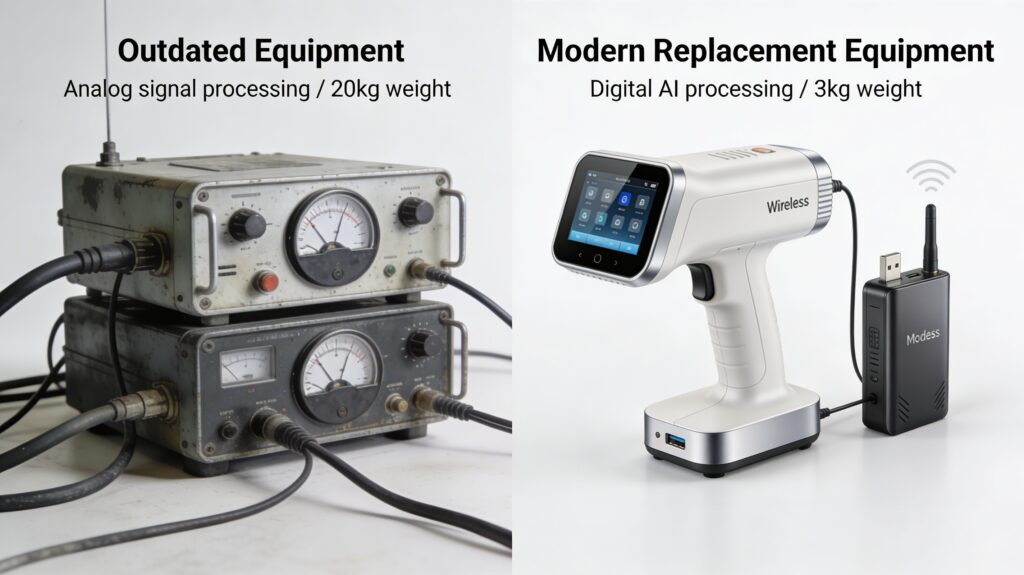
Many hospitals buy devices impulsively, based on donations or impressive sales pitches, then struggle for years to maintain them.
For better buying methods, you may find this helpful:
Better Ways for Hospitals to Buy Medical Equipment
2. Inventory and Asset Registration
You can’t manage what you don’t know you have.
A strong hospital medical equipment management system always includes a complete and current inventory with:
- Unique asset ID or barcode
- Equipment type, brand, model, serial number
- Exact location (ward, theatre, lab, etc.)
- Date of purchase, warranty status
- Service provider and maintenance history
Even a simple spreadsheet is better than nothing; a dedicated Computerized Maintenance Management System (CMMS) is better still.
3. Risk Classification and Prioritisation
Not all devices are equal.
Part of what goes into hospital medical equipment management is classifying equipment based on:
- Clinical risk (life-support vs non-critical)
- Frequency of use
- Impact of failure on patient safety and operations
For example:
- Ventilators, anaesthesia machines, defibrillators → high risk
- Infusion pumps, suction machines → medium risk
- Non-critical devices (e.g., examination lamps) → lower risk
This helps your biomedical team focus limited resources where they matter most.
4. Installation, Commissioning, and Acceptance Testing
When new devices arrive:
- Is the room prepared (power, ventilation, space, workflow)?
- Were the installation guidelines from the manufacturer followed?
- Is there formal acceptance testing before use on patients?
This step ensures the equipment is
- Works as expected
- Meets safety and performance specs
- Is documented properly from day one
If you offer or use specialized services, this could link to: Medical Equipment Installation and Commissioning
5. User Training and Documentation
Even the best device can become dangerous in untrained hands.
Hospital medical equipment management must include:
- Initial hands-on training for all relevant users
- Simple SOPs and quick-reference guides near devices
- Refresher sessions when new staff join or features are updated
- Training records to prove competency
This isn’t just about convenience; it’s about patient safety and reducing misuse-related damage. You can support this with services like the following: Equipment User Training for Healthcare Teams
6. Preventive Maintenance and Calibration
This is where many hospitals fall short.
Preventive maintenance (PM) and calibration should follow:
- Manufacturer recommendations
- Local regulatory requirements
- Risk classification (critical devices may need more frequent checks)
Typical PM tasks include:
- Cleaning and visual inspection
- Checking cables, connectors, alarms, and batteries
- Lubricating moving parts as required
- Replacing wear-and-tear components
- Calibrating measurements and outputs (e.g., flow rates, voltages, lab readings)
The WHO has an excellent overview of maintenance programs here: WHO: Medical Equipment Maintenance Programme Overview
7. Corrective Maintenance and Repairs
Even with perfect PM, things still break. The question is what happens next.
Good hospital medical equipment management includes:
- A clear way for users to report faults (phone/WhatsApp/hotline/ticketing system)
- Prioritisation based on clinical risk and service impact
- Access to trained biomedical staff and/or service providers
- Use of genuine spare parts and approved procedures
For many hospitals, working with a partner like HemacNG for repairs and maintenance makes a huge difference: Medical Equipment Maintenance and Repair Services
8. Spare Parts and Consumables Management
Some devices are only as useful as the small parts that support them:
- Filters
- Sensors
- Batteries
- Cartridges and kits
Equipment management must coordinate with procurement and stores to ensure:
- Critical parts are in stock
- Lead times are understood
- Usage and costs are tracked
Without this, even a simple sensor failure can shut down a whole department.
9. Safety Checks, Quality Assurance, and Compliance
Safety in hospital medical equipment management is not negotiable.
This means:
- Electrical safety tests
- Verification of alarms and backup systems
- Functional checks after repairs
- Proper documentation of test results
Regulators and accrediting bodies (like The Joint Commission in some countries) look closely at how you manage equipment safety.
10. Performance Monitoring, KPIs, and Reporting
You can’t improve what you don’t measure.
Key performance indicators (KPIs) might include:
- Equipment uptime (percentage of time available for use)
- Preventive vs corrective maintenance ratio
- Average time to repair
- Maintenance cost per device or department
Regular reports help hospital leadership understand whether hospital medical equipment management is protecting or draining the budget.
11. Lifecycle Planning, Decommissioning, and Replacement
Everything gets old.
Part of what goes into hospital medical equipment management is deciding:
- When a device is no longer safe or economical to repair
- When to budget for replacement instead of another patch repair
- How to dispose of devices safely and legally
Planning avoids crises like “All our ventilators are failing this year, and we have no budget.” For more on thinking in terms of lifecycle and cost, you can read: Understanding the Real Cost of Medical Equipment Ownership
Who Is Responsible for Equipment Management?
One thing I want to make crystal clear: hospital medical equipment management is a team effort.
No single person can do it all. Here’s how responsibilities typically break down:
| Role | Primary Responsibility |
| Hospital Administrator/CEO | Budget approval, strategic oversight |
| Biomedical Engineering Manager | Leading the equipment management program |
| Biomedical Engineers/Technicians | Hands-on maintenance, repairs, calibration |
| Procurement Officer | Vendor management, purchasing |
| Department Heads | Identifying equipment needs, user feedback |
| Doctors and Nurses | Proper usage, reporting issues |
| Quality Assurance Officer | Hands-on maintenance, repairs, and calibration |
| External Partners (like HemacNG) | Supply, installation, specialized maintenance, spare parts |
The most effective hospitals have clear roles, clear accountability, and strong communication between all these stakeholders.
Whether you have a full in-house biomedical team or need external support, HemacNG is your reliable partner for equipment supply, maintenance, and technical expertise.
Common Mistakes That Cost Hospitals Millions
Let me save you some pain. Here are the mistakes I see hospitals make over and over again:
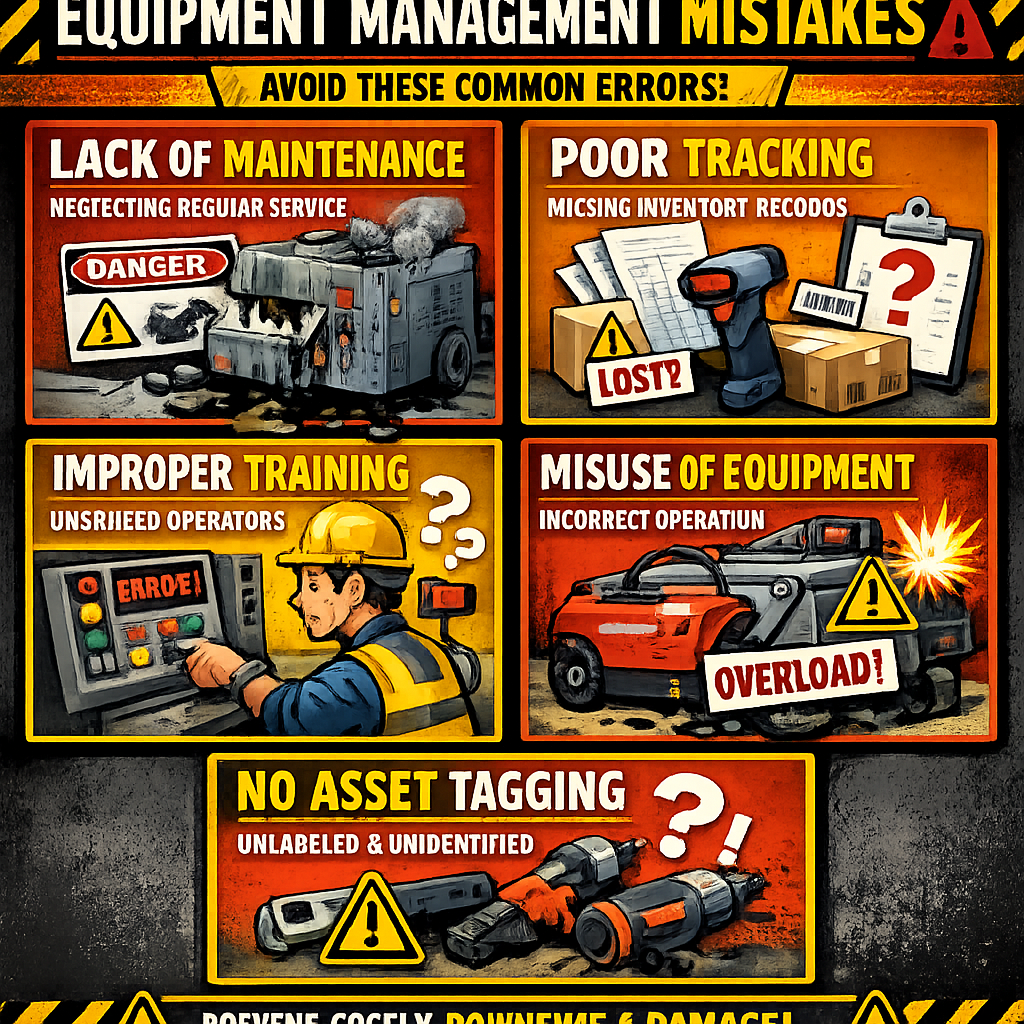
- No formal management system. Operating on a “fix it when it breaks” mentality. This is the single most expensive approach to equipment management.
- Skipping preventive maintenance. The equipment seems fine, so why spend money on maintenance? Because a ₦500,000 maintenance visit prevents a ₦10 million repair bill.
- Poor inventory tracking. Not knowing what equipment you have, where it is, or when it was last serviced. This leads to forgotten equipment, missed maintenance, and compliance failures.
- Neglecting staff training. Untrained staff damage equipment, misinterpret results, and create safety hazards.
- Using counterfeit spare parts. They’re cheaper upfront but cause failures, inaccurate readings, and can void your warranties.
- Zero documentation. When auditors come, and they will, you need records. No records means non-compliance, penalties, and reputational damage.
- Keeping equipment past its useful life. When you’re spending more on repairs than the equipment is worth, it’s time to replace it.
- Choosing the wrong supplier. A supplier who disappears after the sale is worse than no supplier at all.
Every single one of these mistakes is avoidable. And avoiding them starts with understanding what proper hospital medical equipment management looks like, which is exactly what this guide gives you.
Practical Steps to Strengthen Your Hospital Medical Equipment Management
The good news is you don’t have to fix everything overnight. You can start small and build up.
Step 1 – Build a Complete Equipment Inventory
Start with a simple, honest list:
- Walk through every ward, theatre, lab, and support area
- Record each device with basic details (name, model, serial, location, condition)
- Assign a simple asset ID or tag
Even a basic spreadsheet can dramatically improve hospital medical equipment management.
Step 2 – Develop Policies, SOPs, and a PM Schedule
Next, define:
- Who is responsible for what (clinical users vs biomedical team vs management)
- How often do different types of equipment get preventive maintenance
- How faults are reported and escalated
Write short, practical SOPs and share them with all relevant staff.
Step 3 – Train Clinical Staff to Report Issues Early
Encourage a culture of:
- Reporting strange noises, error messages, or performance issues
- Avoiding “temporary” workarounds that become permanent
- Respecting equipment (proper cleaning and correct use)
Early reporting saves both time and money.
Step 4 – Use Service Contracts and Partnerships Wisely
For many hospitals, especially small and medium ones, it’s unrealistic to do everything in-house.
Consider:
- Annual maintenance contracts (AMCs) for critical equipment
- Comprehensive service contracts for high-risk, high-cost devices
- Partnering with companies like HemacNG that understand local realities
You can learn more about structuring such support here: Medical Equipment Procurement and Service Contract Support
How HemacNG Supports Your Entire Equipment Management Journey
You’ve made it this far. You understand the components, the best practices, and the mistakes to avoid. Now here’s the natural question: who can help you actually implement all of this?
That’s where HemacNG comes in.
We’re not just an equipment supplier. We’re a complete hospital medical equipment management partner. Here’s what that means in practice:
- We Supply Everything: Equipment for every hospital department, from the emergency room to the operating theatre, from the laboratory to the ICU. Browse our complete catalogue.
- We Deliver Worldwide: Building a hospital in Nigeria? Perfect. Setting up a facility in Ghana, Kenya, the UK, or anywhere else? We deliver medical equipment to any country in the world. No exceptions.
- We Install Professionally: Our certified engineers handle installation and commissioning, ensuring everything works perfectly from day one.
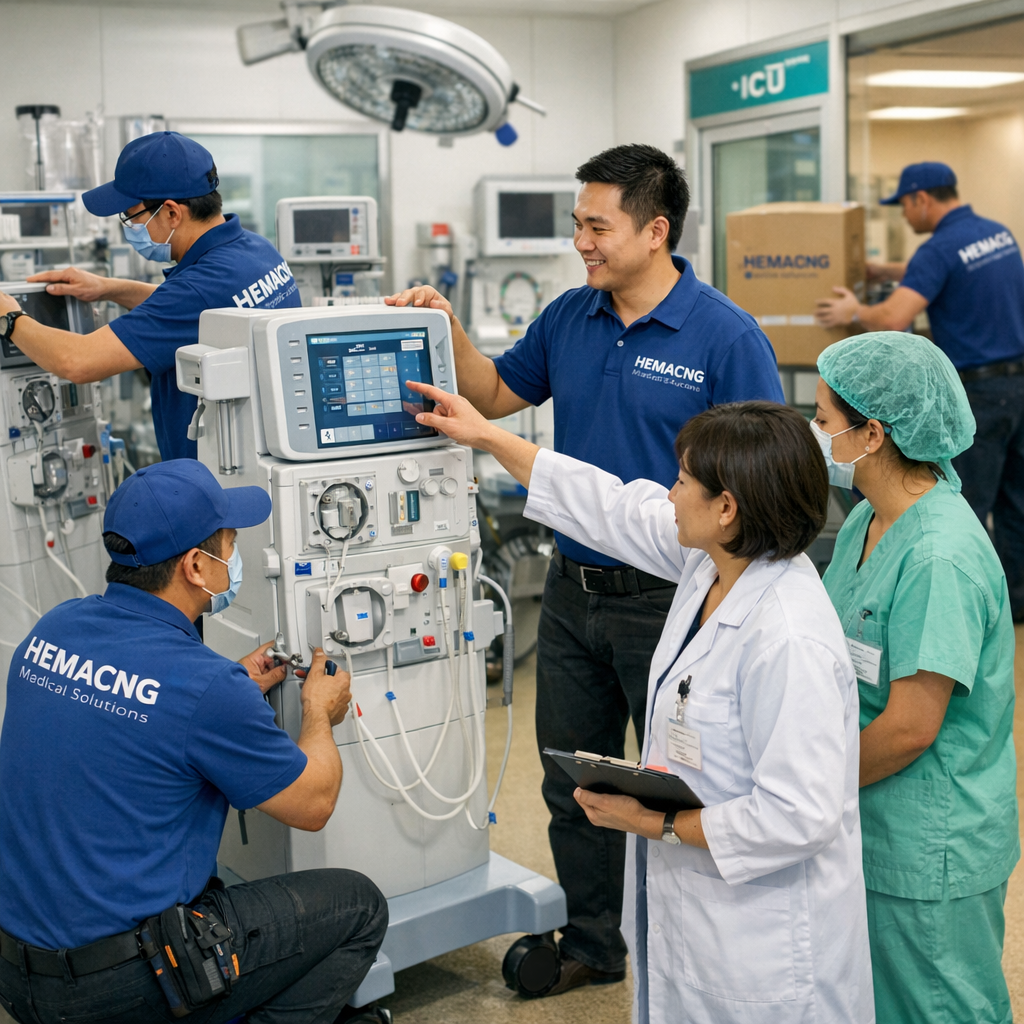
- We Train Your Team: Comprehensive, hands-on training that gives your staff the confidence and competence to operate equipment safely.
- We Maintain and Repair: Customized preventive maintenance programs, rapid corrective repairs, and genuine spare parts supply.
- We Calibrate: Regular calibration services to keep your equipment accurate and compliant.
- We partner long-term: We don’t disappear after the sale. We walk alongside you throughout the entire equipment lifecycle.
Contact our team today and let’s discuss how we can support your hospital’s equipment management needs, wherever you are in the world.
Your Hospital Equipment Management Checklist
Before I let you go, here’s a practical checklist you can start using today:
- Planning & Procurement
- Conduct annual equipment needs assessments
- Choose verified, trusted suppliers like HemacNG
- Verify quality certifications on all equipment
- Negotiate comprehensive packages including installation, training, and maintenance
Installation & Training
- Ensure professional installation by qualified engineers
- Complete acceptance testing before signing off
- Train ALL equipment users thoroughly
- Schedule annual refresher training
Inventory & Tracking
- Maintain a complete, updated equipment inventory
- Track serial numbers, locations, and maintenance schedules
- Update records whenever equipment is added, moved, or retired
Maintenance & Calibration
- Implement preventive maintenance schedules for ALL equipment
- Use genuine spare parts exclusively
- Maintain calibration schedules for all measuring devices
- Document every maintenance activity
Safety & Compliance
- Conduct regular equipment safety inspections
- Maintain an incident reporting system
- Keep all documentation organized and audit-ready
- Stay current with regulatory requirements
Replacement Planning
- Track equipment age and remaining useful life
- Budget for equipment replacement annually
- Plan technology upgrades strategically
Frequently Asked Questions
What is hospital medical equipment management?
It’s the systematic process of planning, acquiring, installing, operating, maintaining, tracking, and eventually retiring all medical equipment within a healthcare facility, ensuring everything is safe, functional, accurate, and compliant.
Why is medical equipment management important?
Effective management ensures patient safety, clinical accuracy, extended equipment lifespan, cost efficiency, reduced downtime, and regulatory compliance. Poor management leads to equipment failures, misdiagnoses, and patient harm.
Who is responsible for equipment management in a hospital?
It’s a team effort involving hospital administrators, biomedical engineers, procurement officers, clinical staff, quality assurance officers, and external partners like HemacNG.
How often should hospital equipment be maintained?
Most equipment requires preventive maintenance every 3-12 months. Life-support devices may need monthly checks. Always follow manufacturer guidelines and regulatory requirements.
How can HemacNG help with equipment management?
HemacNG provides complete lifecycle support, supply, worldwide delivery, installation, training, preventive maintenance, repairs, calibration, and spare parts. Contact us to learn more.
Does HemacNG deliver equipment internationally?
Yes! We deliver quality medical equipment to hospitals in Nigeria and any country worldwide.

Great Equipment Management Saves Lives
Let me leave you with something personal. Every beeping monitor in your hospital is connected to a human heart. Every ventilator is breathing for someone who can’t breathe on their own.
Hospital medical equipment management isn’t just about machines. It’s about the people those machines serve. It’s about the mother in the maternity ward. The child in the ICU. The elderly man is waiting for his lab results.
When you manage your equipment well, you’re telling every patient who walks through your doors: “We’ve got you. Your safety matters. Your life matters.” That’s not just good management. That’s healthcare at its finest. And you don’t have to do it alone.
Whether your hospital is in Lagos, Nairobi, London, Dubai, or anywhere else in the world, HemacNG is here to support you. We supply quality equipment. We train your team. And we stand by your side for the long haul. Because when your equipment works, your hospital works. And when your hospital works, lives are saved. Ready to take your hospital’s equipment management to the next level? Contact HemacNG today. Let’s build something that saves lives, together.