
Uncategorized
Clinic Starter Kit: From BP Monitor to Sterilizer
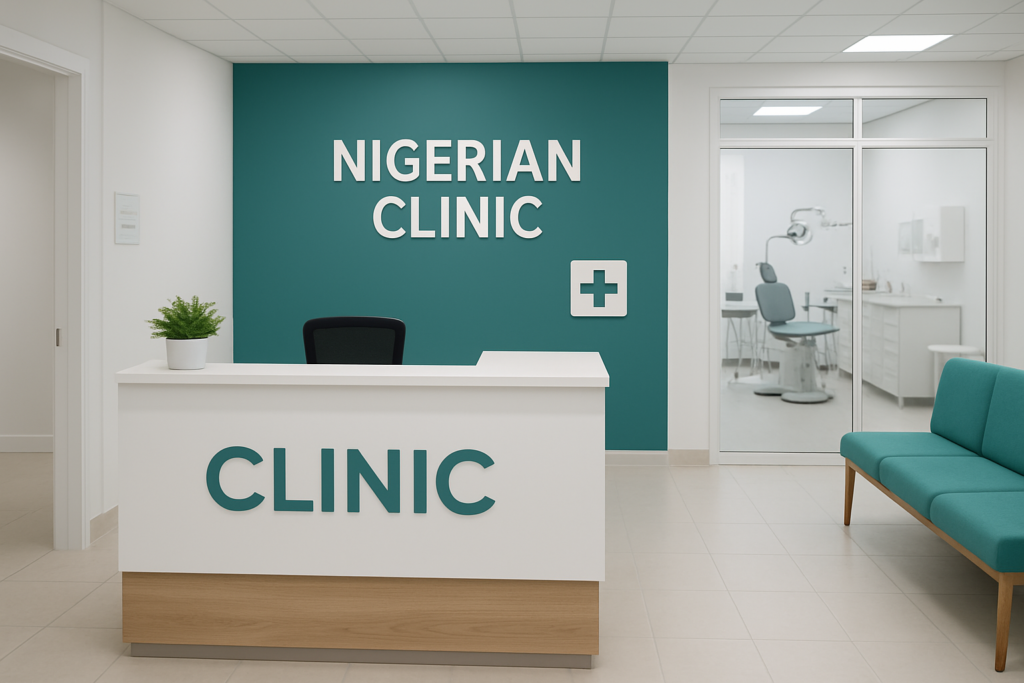
Imagine stepping into your new facility, the air still smells like fresh paint, the signage outside gleams with promise, and your patients are eager for reliable care. But as the day unfolds, you realize something vital is missing: the tools. Not just any tools, but a clinic starter kit in Nigeria that covers everything from blood pressure monitors to sterilizers.
That’s why this 2026 guide is here to help you understand what truly makes up a clinic starter kit in Nigeria and how you can build yours without breaking the bank. Whether you’re launching a primary care centre in Lagos or expanding a community health outpost in Makurdi, this guide will walk you through the affordable, essential devices every Nigerian clinic must have.
Dr. Tunde stood at the entrance of his new clinic in Aba, clutching a clipboard and filled with pride and panic. The dream he had nurtured for years was finally real. Yet, as patients began to walk in, he quickly realized something was missing. The tools. The devices. The essentials that turn four walls into a functional clinic.
This scenario is not uncommon. Many healthcare professionals across Nigeria launch clinics with great passion but miss out on vital tools that ensure smooth operations and patient safety. That’s why having a complete clinic starter kit in Nigeria is not just useful; it’s critical.
From blood pressure monitors to sterilizers, a well-curated clinic starter kit in Nigeria sets the foundation for quality healthcare delivery. It saves time, prevents delays, boosts confidence, and most importantly, protects lives. In this guide, we break down everything you need to know to buy a clinic starter kit in Nigeria that’s affordable, effective, and regulation-ready.
Why a Thoughtfully Planned Clinic Starter Kit Actually Matters
Before we dive into specific equipment, let me explain why investing time and resources into planning your clinic starter kit in Nigeria properly is so critical.
Time-Saving During Critical Moments
Imagine this scenario: A patient walks in with chest pain and shortness of breath. Every second counts. But you don’t have a pulse oximeter to check oxygen saturation. You don’t have a reliable blood pressure monitor to assess cardiovascular status. You’re essentially diagnosing blind, making educated guesses instead of informed clinical decisions.
Having the right equipment immediately accessible means you can assess, diagnose, and treat efficiently. No scrambling. No delays.
Patient Safety Is Non-Negotiable
The medical equipment in your clinic starter kit in Nigeria directly impacts patient safety in countless ways. A properly calibrated glucometer catches diabetes before it progresses to complications. A functional sterilizer prevents infection transmission. An accurate thermometer identifies fever patterns that guide treatment decisions.
Conversely, missing equipment or poor-quality devices create dangerous gaps in care. Misdiagnoses happen. Infections spread. Preventable complications develop. And patients, rightfully, take their healthcare needs elsewhere.
Regulatory Compliance Protects Your License
Nigeria’s regulatory environment for healthcare facilities is becoming increasingly stringent, and for good reason. Both NAFDAC and State Ministries of Health conduct inspections. They check for specific equipment, sterilization protocols, and safety measures.
Operating without essential equipment or with substandard devices can result in license suspension, fines, or worse. A complete clinic starter kit in Nigeria that meets regulatory standards isn’t just good practice — it’s legal protection.
Building Patient Trust From Day One
Patients are more informed and more selective than ever before. When they walk into your clinic and see modern, well-maintained equipment, their confidence in your abilities increases dramatically. It sends a powerful message: “This clinic is serious about providing quality care.”
On the other hand, a clinic that feels under-equipped or improvised raises immediate doubts. Even if you’re a brilliant clinician, patients may question whether they’re receiving adequate care.
According to the World Health Organization’s guidelines on basic healthcare equipment, properly equipped facilities demonstrate a commitment to quality that patients recognize and value.
For more insights on making smart equipment investments, check out our detailed guide: Better Ways for Hospitals to Buy Medical Equipment
Why a Well-Planned Clinic Starter Kit Matters
Equipping your clinic properly from the get-go helps in multiple ways:
- Time-saving: No running around during emergencies.
- Patient safety: You reduce the chances of infection and misdiagnosis.
- Regulatory compliance: Meet NAFDAC and Ministry of Health standards with the right gear.
External Resource: WHO Guidelines on Basic Equipment
Top 10 Items in a Clinic Starter Kit (2025 Edition)
Here’s what every small or medium-sized clinic in Nigeria should prioritize for improved patient care and efficient day-to-day operations:
1. Digital Blood Pressure Monitor
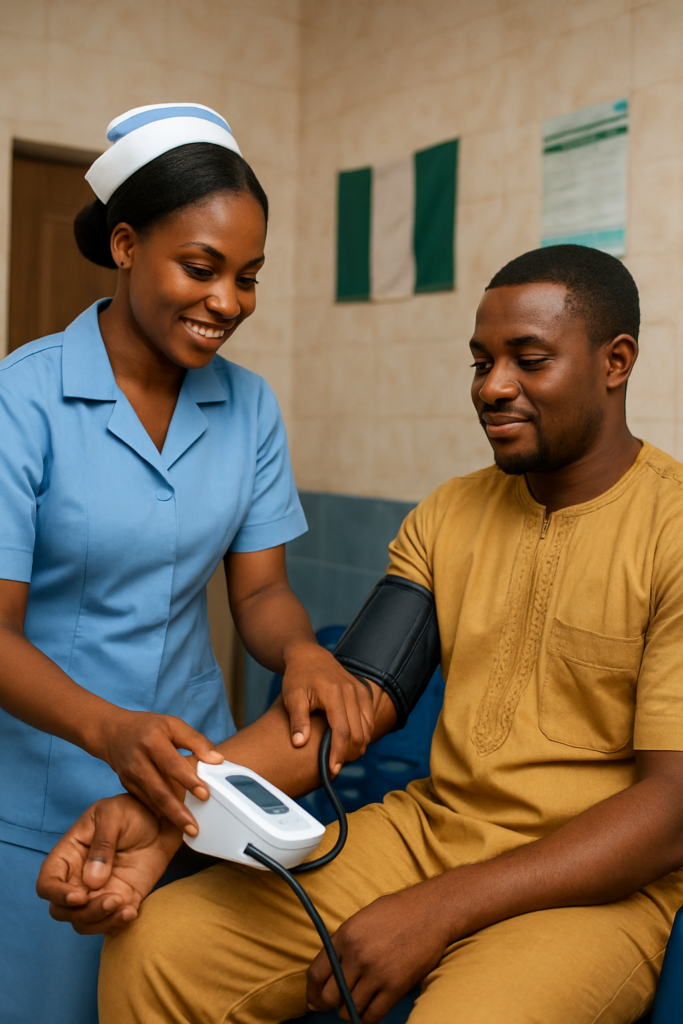
If you could only afford one piece of diagnostic equipment for your clinic, a blood pressure monitor would arguably be the wisest choice.
Why it matters so much:
Hypertension is reaching epidemic proportions in Nigeria. Recent studies suggest that nearly one in three Nigerian adults has elevated blood pressure, yet many don’t know it. As a clinic, you’ll assess blood pressure multiple times every single day — for routine checkups, pre-procedure evaluations, emergency situations, and chronic disease management.
A quality digital blood pressure monitor provides quick, accurate readings that eliminate the human error and skill variability associated with manual sphygmomanometers. Moreover, digital monitors are easier for auxiliary staff to operate, freeing up your clinical time for more complex tasks.
What to look for:
Look for automatic upper-arm models rather than wrist monitors. Upper-arm monitors consistently deliver more accurate readings. The Omron M2 Basic, for instance, has earned global trust for reliability and is widely recommended in Nigerian healthcare settings.
Additionally, ensure the monitor can detect irregular heartbeats and has memory storage to track patient readings over time.
Investment range: Quality digital BP monitors suitable for clinical use typically range from ₦15,000 to ₦45,000. Shop reliable blood pressure monitors at HemacNG
2. Glucometer Kit
Diabetes is no longer a “Western disease.” It’s increasingly common across all Nigerian demographics, from urban professionals to rural communities. Yet many Nigerians discover they’re diabetic only after developing serious complications.
Why every clinic needs one:
A glucometer kit enables you to perform rapid blood glucose testing for early diagnosis, emergency assessment of diabetic emergencies, and ongoing monitoring for known diabetics. It’s a simple test that can literally save lives by catching a condition that silently damages the body.
What the kit should include:
- The glucometer device itself
- Adequate test strips (these are consumables you’ll need to restock regularly)
- Lancets for obtaining blood samples
- Control solution for verifying accuracy
- Carrying case for organized storage
Pro tip: Budget for ongoing test strip costs. These represent your recurring expenses. However, the diagnostic value far outweighs the cost.
For more information on diabetes management, see the WHO Diabetes Fact Sheet.
Investment range: Complete glucometer starter kits range from ₦8,000 to ₦25,000, with test strips costing approximately ₦3,000-₦8,000 per 50-strip box. Browse glucometer kits at HemacNG
3.Infrared Thermometer
The COVID-19 pandemic permanently changed how we think about temperature screening. Infrared thermometers, once considered optional luxury items- are now essential for any clinic seeing multiple patients daily.
Why it’s indispensable:
Infrared thermometers allow instant temperature checks without physical contact, dramatically reducing infection transmission risks. This is especially important during triage when you need to screen patients rapidly before they enter the main clinic area.
Additionally, these devices are invaluable for assessing pediatric patients who won’t cooperate with traditional thermometers and for monitoring patients during consultations without disrupting the conversation.
What to prioritize:
Look for models with:
- Fast reading time (under 2 seconds)
- Memory storage for tracking multiple patients
- Fever alert indicators
- Ability to switch between Celsius and Fahrenheit
- Rechargeable batteries (to reduce operating costs)
Investment range: Quality medical-grade infrared thermometers range from ₦6,000 to ₦20,000.
4. Pulse Oximeter
A pulse oximeter is one of those small devices that delivers enormous clinical value. It measures oxygen saturation levels in the blood instantly and non-invasively.
Why you can’t skip this:
Respiratory complaints are among the most common reasons Nigerians visit clinics. Whether it’s asthma, pneumonia, COPD, or COVID-19, the pulse oximeter allows you to objectively assess a patient’s oxygenation. It can detect hypoxia (dangerously low oxygen levels) before it becomes visibly obvious, allowing for earlier intervention.
Furthermore, pulse oximeters are essential for monitoring patients receiving oxygen therapy, assessing pre-operative fitness, and evaluating cardiac conditions.
Clinical pearl: A patient can appear relatively comfortable while talking yet have critically low oxygen saturation. The pulse oximeter reveals what you can’t see with your eyes alone.
Investment range: Clinical-grade pulse oximeters range from ₦8,000 to ₦30,000, with fingertip models being most practical for clinic use. Shop pulse oximeters at HemacNG
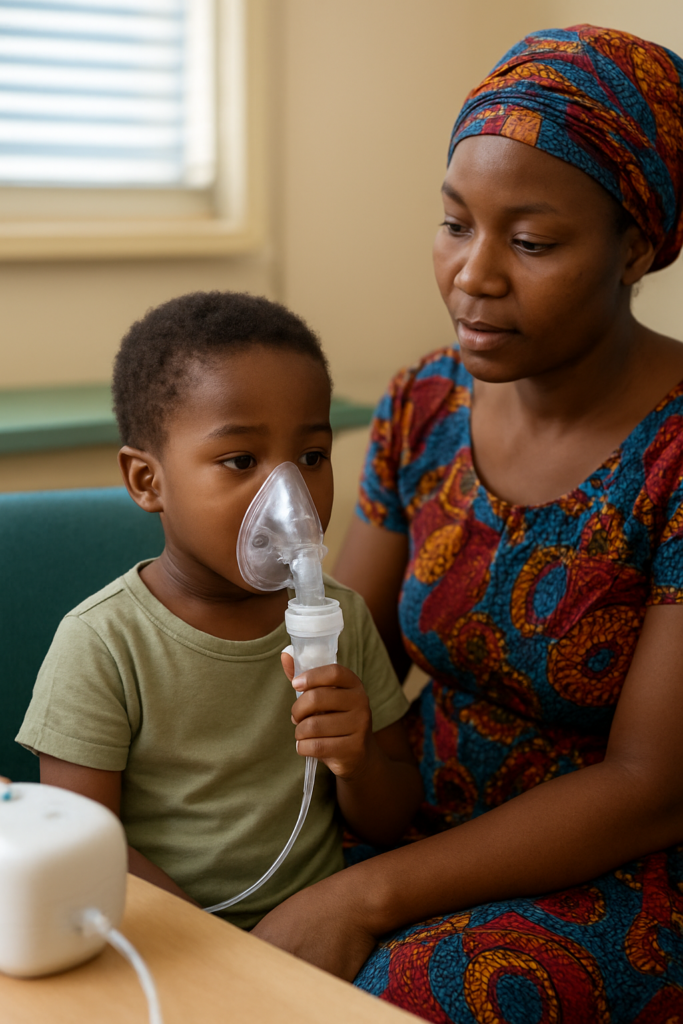
5. Nebulizer Machine
If your clinic sees pediatric patients or offers respiratory care, a nebulizer machine quickly becomes one of your most frequently used pieces of equipment.
Why it’s critical:
A nebulizer converts liquid medication into a fine mist for easy inhalation, delivering medicine directly to the lungs where it’s needed. It’s vastly superior to inhalers for young children, elderly patients, or anyone struggling with severe respiratory distress who can’t coordinate inhaler use.
Nebulizers are essential for treating:
- Acute asthma attacks
- Chronic obstructive pulmonary disease (COPD)
- Bronchitis and pneumonia
- Croup in children
- Allergic respiratory reactions
Types available:
Compressor nebulizers (₦18,000-₦45,000) are the workhorses, durable, affordable, and reliable for clinic use.
Mesh nebulizers (₦45,000-₦120,000) are quieter and more portable but represent a higher initial investment.
For most Nigerian clinics, a quality compressor nebulizer from a trusted brand is the smart choice. Explore nebulizer options at HemacNG
6. Stethoscope
Let’s not overlook the classics. The stethoscope has been a physician’s trusted companion for nearly 200 years, and for good reason — it works.
Why every clinician needs a quality stethoscope:
A good stethoscope allows you to assess:
- Heart sounds and rhythms
- Lung function and respiratory patterns
- Blood pressure (when using manual monitors)
- Bowel sounds during abdominal exams
- Blood flow in vessels
Investment strategy:
Here’s a smart approach: Stock your clinic starter kit in Nigeria with multiple stethoscopes at different price points.
- Budget-friendly models (₦3,000-₦8,000) for auxiliary staff, students, or as backup units
- Mid-range models (₦15,000-₦35,000) for general clinical use
- Premium stethoscopes (₦40,000-₦80,000) for senior clinicians who need superior acoustic clarity
This tiered approach ensures everyone has functional equipment while respecting budget realities.
Pro tip: Personalize stethoscopes with name tags or colored tubing to prevent “borrowing” and loss. Browse stethoscope options at HemacNG
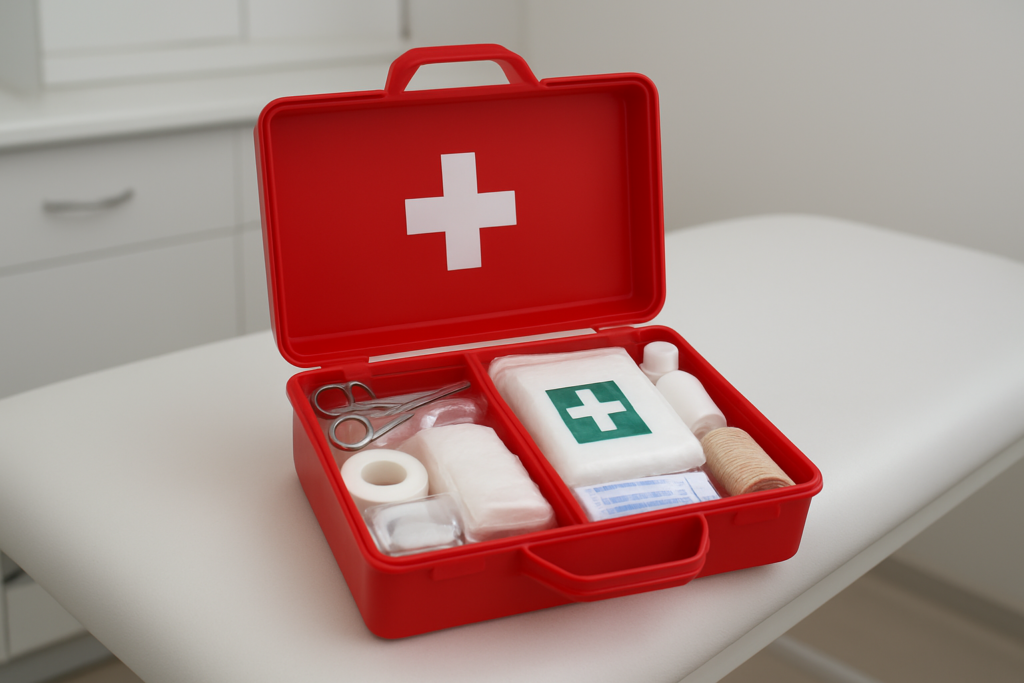
7. Basic First Aid Kit
A well-stocked first aid kit is often the difference between stabilizing a patient immediately and watching a minor situation spiral into an emergency.
Why it’s non-negotiable:
Your clinic should be equipped to handle:
- Minor injuries and lacerations
- Burns and scalds
- Allergic reactions
- Sudden bleeding
- Emergency stabilization before hospital transfer
What a complete first aid kit includes:
- Sterile bandages and gauze pads (various sizes)
- Medical-grade adhesive tape
- Disposable gloves (latex and nitrile)
- Antiseptic wipes and solutions
- Scissors and tweezers
- Thermometer
- Cold packs
- CPR face shield
- Emergency medications (antihistamines, pain relievers, etc.)
- Triangular bandages and elastic wraps
Maintenance reminder: First aid kits aren’t “set it and forget it.” Check expiration dates quarterly and restock used items immediately.
Investment range: A comprehensive clinic-grade first aid kit ranges from ₦15,000 to ₦50,000 depending on size and contents.
8. Examination Light
This might seem like a minor detail, but inadequate lighting during examinations can lead to missed diagnoses and patient discomfort.
Why proper lighting matters:
A portable LED examination light ensures consistent, shadow-free illumination during:
- Oral cavity examinations
- Wound assessments
- Skin lesion evaluations
- Eye and ear examinations
- Minor procedures
Nigeria-specific benefit:
Given the unreliability of electricity in many Nigerian locations, having a rechargeable LED examination light means you can continue providing quality care even during power outages. It’s independence from the grid.
Features to prioritize:
- Adjustable brightness settings
- Flexible gooseneck or adjustable arm
- Rechargeable battery with long runtime
- Cool LED light (doesn’t generate excessive heat)
- Stable base or secure mounting
Investment range: Quality medical examination lights range from ₦12,000 to ₦45,000.
9. Weighing Scale with Height Rod
Accurate weight and height measurements are far more important than many clinic owners realize. These measurements inform:
- Body Mass Index (BMI) calculations for obesity screening
- Medication dosage calculations (especially for children)
- Nutritional status assessment
- Pregnancy weight gain monitoring
- Growth and development tracking in pediatrics
- Pre-operative assessments
What to look for:
Digital platform scales (₦25,000-₦60,000) with integrated height rods offer the best combination of accuracy, durability, and functionality for clinical use.
Look for models with:
- High weight capacity (at least 150kg)
- Precision to 100g increments
- Stable, non-slip platform
- Easy-to-read digital display
- Height rod extending to at least 200cm
Investment note: This is one piece of equipment where quality truly matters. Cheap bathroom scales aren’t suitable for clinical use; the accuracy simply isn’t there. Shop medical weighing scales at HemacNG
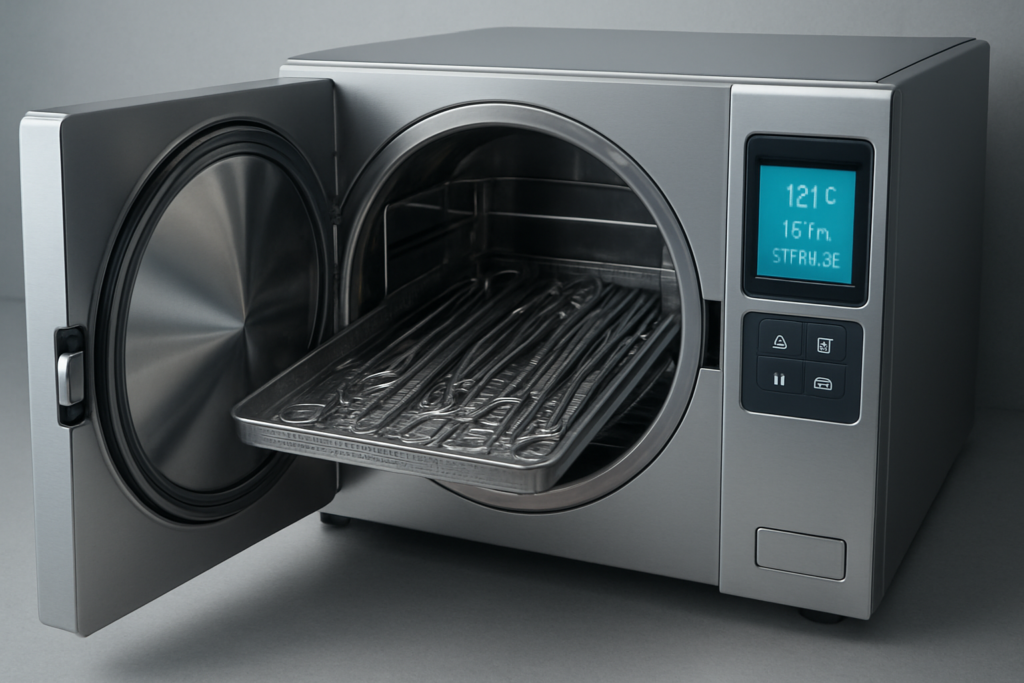
10. Sterilizer (UV or Steam)
Steam Autoclaves (₦150,000-₦500,000) use high-pressure steam and represent the gold standard for medical sterilization. They’re essential for:
- Surgical instruments
- Maternity clinics
- Dental practices
- Any invasive procedures
For most Nigerian clinics, we recommend starting with at minimum a UV sterilizer for general disinfection, and investing in a 12L steam autoclave if you perform any invasive procedures, deliveries, or minor surgeries.
For a comprehensive comparison of sterilization options, see our detailed guide: Top Sterilizers for Clinics in Nigeria (UV vs Steam). Browse sterilizers and autoclaves at HemacNG
Cost Guide for New Clinics in Nigeria
Although costs can vary, smart budgeting can get your clinic equipped with these essentials without exhausting your capital. Here are some tips:
- Opt for starter packages on platforms like HEMACNG
- Prioritize diagnostic tools first
- Reinvest early revenue into expanding your equipment list
Mistakes to Avoid When Buying Medical Equipment
- Ignoring NAFDAC Approval: Unverified equipment can lead to penalties and poor performance.
- Focusing Only on Price: Sometimes, cheap devices lack accuracy or durability.
- Skipping Staff Training: Make sure everyone knows how to operate the equipment properly.
Where to Buy a Complete Clinic Starter Kit in Nigeria
When it comes to sourcing medical tools, HEMACNG stands out as a trusted online marketplace. They offer:
- NAFDAC-certified tools
- Nationwide delivery
- After-sales support and warranty. Browse the complete collection here
Conclusion: Your First Step to a Fully Equipped Clinic
Building a successful clinic goes beyond securing a location or hiring staff. It begins with being fully prepared to serve patients from day one. A complete clinic starter kit in Nigeria ensures you start strong, stay organized, and earn patient trust.Your equipment is the backbone of your service. With the tools listed above, you won’t just meet patient expectations; you’ll exceed them. Your patients are counting on you to be prepared. Ready to start smart? Shop our clinic starter kits on HEMACNG today.